How Local Holidays Affect Trips
Local holidays can reshape a trip more than weather or traffic because they change daily routines across many systems at once. In many places, public offices close, retailers run shorter hours, and staffing levels drop for museums, tours, and even some transport services. Religious and cultural observances can also affect noise levels, street access, and the timing of road closures. School holidays add another layer by shifting demand toward family-oriented attractions and changing commuter patterns.
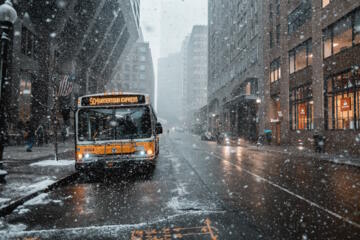
For example, a city that normally runs frequent buses may switch to a “holiday timetable” that reduces frequency and ends earlier. A pharmacy that stays open late on weekdays may close at 6:00 p.m. during a public holiday, even when it still appears open in older listings. If you rely on a specific clinic appointment window, the holiday calendar can move your practical options from “book today” to “wait until the next business day.”
These effects matter for health-related planning too. When pharmacies, urgent care centers, or outpatient clinics reduce hours, you may need to carry extra supplies and confirm where to go for non-emergency care. Emergency services usually remain available, but response times can vary when staffing and traffic patterns change.
Common Planning Mistakes
Travelers often treat holidays as a minor inconvenience, then discover that multiple services change at the same time. The first mistake is assuming “holiday” means only one day. Many destinations observe a period that includes the day before, the day after, and sometimes a full weekend extension for public offices and schools.
The second mistake is trusting outdated hours. Listings on maps and travel sites can lag behind real schedules, especially when a holiday falls on a weekday and local authorities issue short-notice updates. A third mistake is booking activities without checking whether the operator follows the local holiday calendar or a separate “seasonal” schedule.
Dependencies create the real problem. Transport schedules depend on staffing and maintenance windows; museums depend on ticketing staff; pharmacies depend on local retail staffing; and clinics depend on administrative coverage. When those dependencies shift, your itinerary can break in ways that look unrelated on paper. You may still find a bus route, but the last departure time can move earlier, and that changes how late you can safely travel back to lodging.
Even health logistics can be affected indirectly. If a holiday increases crowding at pharmacies or urgent care, wait times can rise. If a holiday changes public transit, you might arrive later than planned, which can matter for medication refills that require same-day processing.
How To Plan Around Holidays
Check Schedules Before You Book
Start with the official holiday calendar for the country and the specific region where you stay. Then check the service you rely on: transit “holiday timetable,” museum opening hours, and pharmacy hours. If you use a transit app, verify the date-specific schedule rather than relying on “today” mode; some apps show the next service day, which can be misleading when you plan for a future date. I often cross-check with the operator’s website because transit pages sometimes include a PDF timetable labeled by date range (for example, “Valid 2026-08-15 to 2026-08-17”).
For bookings, look for cancellation terms that mention holiday periods. Operators sometimes treat holiday demand as a separate policy window, and the refund rules can differ. If you need a medical appointment, confirm the clinic’s holiday hours by phone or email, since online booking systems may still accept requests while staff coverage is reduced.
Adjust Your Health Logistics
Plan medication and care coverage around reduced hours. If you take prescription medicines, check your refill timing so you do not depend on a pharmacy being open on the exact day you run out. Many pharmacies can process refills only during staffed hours, and some require lead time for certain prescriptions.
Carry a small buffer: extra days of medication when feasible, plus copies of prescriptions or a doctor’s letter if you travel with controlled or specialized medicines. If you use inhalers, glucose monitoring supplies, or other time-sensitive items, confirm whether local pharmacies stock equivalents. When you are unsure, ask your home pharmacy or prescriber about generic names and documentation requirements.
For non-emergency care, identify where to go during holidays. Some cities run holiday clinics or extended-hour urgent care, but the locations can change by date. Emergency services remain the fallback, yet you should still know the local number and the nearest emergency department before you need it.
Plan Transport and Return Time
Holiday timetables often reduce frequency and end earlier. Build your itinerary with a “return buffer” so you are not stranded after the last bus or train. A practical rule is to plan to be near your lodging at least 30–60 minutes before the last likely departure, then adjust based on how crowded the route becomes.
Road closures for parades and religious processions can also affect travel time. Check local municipality notices or event pages for street closures, and avoid assuming your usual route stays open. If you use ride-hailing, note that demand spikes during holiday evenings can increase wait times and surge pricing.
Rebook With Realistic Windows
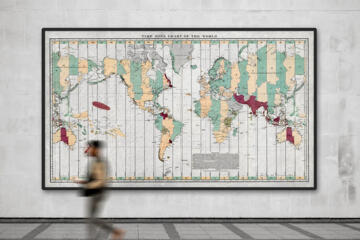
If your trip overlaps a holiday, shift bookings that depend on business hours. For example, if you need a museum ticket exchange, a luggage service, or a pharmacy consultation, schedule it on a business day when possible. When you must book during a holiday period, confirm the exact time zone and the local date used by the booking system.
Some travel services show “processing time” in business days, not calendar days. That difference matters when you request a refund or replacement. I once saw a support page stating “up to 7 business days” and the holiday week stretched it to nearly two calendar weeks, which was frustrating because the traveler expected faster resolution.
Educational Case Examples
Scenario 1: City break during a national holiday. A traveler visits a European capital from Friday to Tuesday. The transit app shows a route, but the holiday timetable reduces departures after 7:00 p.m. The traveler schedules a late museum visit and then finds the last tram earlier than expected. They adjust by moving the museum to the morning and using a shorter evening walk to reach lodging before the final service.
Scenario 2: Medication refill during a regional festival. A traveler with a chronic condition arrives two days before a regional public holiday. The local pharmacy accepts refill requests online, but pickup hours shrink during the holiday. The traveler calls the pharmacy before the holiday, confirms the refill processing window, and arranges pickup for the last open day. They also carry a small extra supply so they do not depend on holiday hours for a same-day refill.
Holiday Impact Checklist
| What Changes | What To Check | Typical Effect | Your Planning Move |
|---|---|---|---|
| Transit hours | Holiday timetable for your exact dates | Fewer departures and earlier last trips | Plan returns before the last likely service |
| Retail and services | Pharmacy and clinic opening hours | Shorter hours or closures for staff | Refill meds on the last open business day |
| Street access | Parade routes and road closure notices | Detours and blocked stops | Choose lodging routes that avoid closure zones |
| Bookings and support | Cancellation and refund timelines in business days | Slower responses during holiday weeks | Schedule changes earlier and keep receipts |
Common Mistakes To Avoid
Do not rely on “open now” indicators for pharmacies and clinics. Those indicators often reflect a cached schedule, and holiday staffing changes can make the real situation different. If you need medication, confirm by phone and ask about pickup times for the specific day you plan to collect.
Do not plan medical appointments as if they follow the same rules as weekdays. Many clinics keep online booking open while reducing staff coverage, which can lead to delays or rescheduling. A short email asking for holiday hours can prevent a wasted trip.
A frequent itinerary error is scheduling a long day that depends on late transport. Holiday crowds can slow boarding and increase platform congestion, so your “normal” travel time becomes optimistic. Build in time for queues and use a backup route if your main line runs less often.
Another mistake is assuming all businesses follow the same holiday. Some sectors follow national public holidays, while others follow regional observances or religious calendars. If you stay near a border or in a tourist district, check local rules rather than general assumptions.
FAQ
How can I find a holiday transit timetable?
Check the transit operator’s website for “holiday timetable” or “special service” pages and verify the dates. Transit apps can show the next service day, so confirm the schedule for your exact travel date.
Do pharmacies usually close on public holidays?
Many pharmacies reduce hours or close, while some run limited holiday coverage. Confirm the opening hours for the specific date by calling the pharmacy or checking the operator’s posted holiday schedule.
Will clinics still accept appointments during holidays?
Some clinics keep limited hours or switch to urgent-care style coverage. Online booking may still accept requests, so confirm by phone or email and ask whether your appointment type is covered.
What should I pack if my trip overlaps a holiday?
Carry extra days of medication when feasible and keep copies of prescriptions. If you use specialized supplies, bring enough for the holiday period and identify where you can purchase equivalents if you run short.
Can holiday road closures affect getting to lodging?
Yes. Parades and religious processions can block streets and change pickup points for taxis and ride-hailing. Check local event pages and plan a route that avoids closure zones.
Author's Insight
Local holidays affect trips through staffing patterns, reduced service hours, and date-specific timetables rather than through a single “holiday rule.” Travelers get the best results by checking the exact dates for transit, pharmacy hours, and any service that depends on business-day staffing. When you plan health logistics, focus on medication refill timing and where to go for non-emergency care during reduced hours. A practical approach is to treat holiday weeks as a different operating mode and build your itinerary around earlier return times and confirmed opening hours.
Key Takeaways
- Holiday periods often include the day before and after, not just one date.
- Verify date-specific hours for transit, pharmacies, and clinics; “open now” can be outdated.
- Plan earlier returns and keep a backup route when services run less frequently.
- For health needs, refill medications on the last open business day and carry a small buffer when possible.