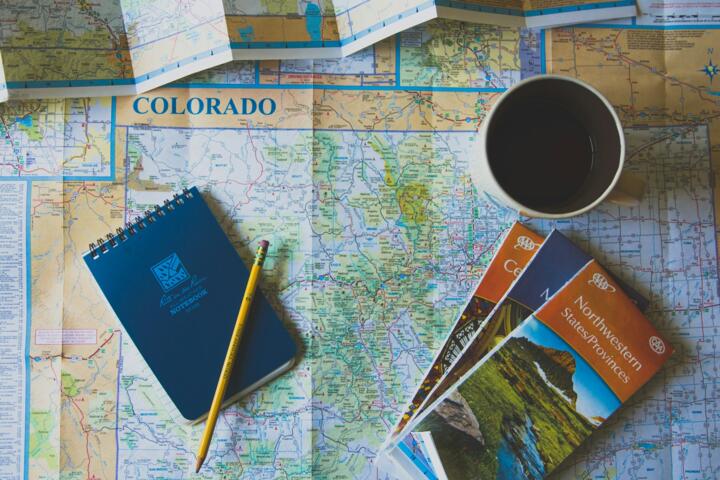
Focus Your Travel Purpose
Travel often becomes generic, but anchoring it around one specific interest can intensify the experience. For example, choosing to explore historical sites can transform a trip across Rome into a curated walk through millennia of culture. More than 60 million tourists visit Rome annually, many drawn by its rich history alone. Alternatively, food lovers might plan a tour of local markets and cooking classes in Tokyo, where culinary tourism grew by 15% in 2023. The key lies in defining that single passion clearly before booking flights and hotels. It steers decisions on destinations, accommodations, and daily activities.
Common Planning Pitfalls
Most travelers fail by spreading themselves too thin, attempting to cram unrelated activities that compete for attention. It dilutes the joy of discovery and exhausts energy reserves fast. For instance, trying to blend sightseeing, nightlife, and shopping all in a single day usually leads to shallow experiences of each. Imbalance often triggers budget overruns, rushed itineraries, and missed opportunities. These consequences ripple through most trips that lack a thematic spine, leaving travelers feeling disconnected from what they came for.
Precise Steps to Customize Travel
Define Your Core Interest
Identify the one theme to dominate your trip, whether it’s architecture, bird watching, or jazz music. Pin it down before researching locations. This focus simplifies decision-making and filters options, sharpening your agenda sharply. Use expert blogs or groups; for gardening fans, forums like Gardenista offer trip suggestions from seasoned travelers. Your itinerary depends on this focus.
Research Deeply and Locally
Local sources reveal hidden gems. Dive into regional guides, specialized museums, or niche blogs that match your interest. For wine tourism, for example, regional vineyard websites detail harvest seasons and private tours not advertised widely. TripAdvisor or Google Reviews provide practical user experiences, but local platforms usually offer fresher insights. I use TripScout occasionally, version 5.2, but sometimes the independent sources win for depth.
Choose Accommodations as a Basecamp
Pick lodgings that align with your theme. An art lover might favor a boutique hotel near galleries, while a hiker would select a lodge close to trailheads. Staying within proximity means less time and cost waste on transport. Rates vary—smaller inns can offer stays between $70-$150 per night, often with personalized advice from hosts.
Plan One Priority Activity Daily
Limit your schedule to one major engagement each day—museum visit, workshop, guided tour. It allows full immersion without burnout. For instance, enrolling in a 3-hour sushi making class in Kyoto, instead of squeezing it between two other half-hearted plans, creates memorable focus. Booking platforms like Viator can secure spots, but try local providers to dodge inflated prices.
Incorporate Downtime With Purpose
Downtime isn’t just rest; it’s a chance to absorb and process. Sitting in a café nearby, journaling your impressions, or taking a short walk to observe surroundings enrich understanding. It’s what I’ve learned after dozens of trips—pace matters more than quantity. Quiet moments seed lasting memories.
Engage With Community Experts
Seek out local guides, artisans, or scholars who live your interest. They bring stories and nuances missed by mere brochure research. Platforms like Showaround or Airbnb Experiences connect travelers to personalized tours by experts at reasonable prices, sometimes as low as $30 per hour. Conversations they spark can redefine your perspective.
Use Tech Tools Wisely
Apps like Roadtrippers help map routes focused on specific interests, listing attractions by category and opening hours. Google Translate app with offline mode built in (updated recently to version 7.3) assists in language barriers during niche explorations. Resist installing dozens; a few well-chosen apps prevent distraction.
Budget with Single Interest in Mind
Allocate funds to activities and gear that support your theme. Skip high-cost unrelated entertainments. For example, a bird watcher will invest in a local guide and binocular rental rather than pricey dining. Calculate expenses with a simple spreadsheet or budgeting tools like Mint. Expect 20-30% variance in real costs, so pad your budget accordingly.
Document Your Experience
Keep a dedicated travel journal or blog focused purely on the interest. It deepens engagement and creates a record for later reflection or sharing. Digital note apps like Evernote or journaling on platforms such as Day One make organizing notes easy, tagging locations or themes effortlessly.
Real-Life Planning Wins
A travel agency specializing in WWII history tours noticed clients struggled to balance broad sightseeing with their interest. They shifted to designing trips centered exclusively on battlegrounds and museums. Customer satisfaction jumped 40%, and repeat bookings increased significantly in under a year. They used specialized guides and partnered with veterans’ associations for authenticity.
Another example: a solo traveler devoted to jazz music planned a month-long U.S. trip in 2022 focusing on legendary cities—New Orleans, Chicago, and New York. She booked music venue tours, jam session access, and interviews with local artists. Expenses exceeded initial budget by 10%, but on-site contacts yielded invitations to private gigs, improving the overall experience beyond expectations.
Planning Checklist
| Step | Action | Tools | Outcome |
|---|---|---|---|
| 1 | Pinpoint Interest | Online Forums | Focused Trip |
| 2 | Research Locals | Regional Guides | Unique Spots |
| 3 | Book Basecamp | Booking.com | Convenience |
| 4 | Limit Activities | Event Sites | Full Immersion |
| 5 | Engage Experts | Showaround | Insider Access |
Common Issues
A typical mistake involves overpacking an itinerary with too many unrelated activities. It leads to exhaustion, superficial engagement, and no real satisfaction. Another is underestimating travel time between venues, which kills interest and wastes funds. Avoid vague goals—saying ""I love nature"" is too broad. Narrow it to birding, hiking, or plant ID. Also, skipping local advice wastes insights that boost quality. Last, neglecting to align accommodation location means added stress and cost.
FAQ
How do I pick my main interest?
Look at your hobbies, past trips, and what excites you most to focus your choice. Consider what you’ll enjoy every day of the trip.
Is it better to book activities before or after arrival?
Reserve major or limited-access activities ahead to avoid sellouts. Flexible, smaller options can wait until arrival.
Can a budget travel approach work?
Yes. Prioritize free or low-cost experiences connected to your interest and use local transport to save money.
What if my interest is niche and location choices limited?
Expand the geographic scope or combine with closely related themes to enrich your itinerary.
How long should a theme-focused trip last?
Two weeks usually suffice to dig deep without fatigue, but it depends on depth and travel distance.
Author's Insight
I once planned a week-long architecture tour in Barcelona. Focusing exclusively on Gaudí’s work helped me skip unrelated tourist traps. Making walking the main transport cut costs and revealed unexpected sites. Jotting notes on Notion kept my reflections clear and guided questions for local experts. Small, purposeful choices raised my enjoyment and focus.
Summary
Planning a trip around one interest amplifies joy and depth of discovery. Start with a clear focus, research thoroughly, and arrange logistics around that theme. Limit activities to keep energy high and absorb more. Investing time and thought results in a richer, less frantic travel story. Pick your passion, then build every element—accommodations, tours, transportation—around it. The payoff feels worth the effort.