Seasonal Events Trip Planning
Seasonal events shape travel more than most itineraries admit: event dates affect transport capacity, accommodation pricing, and crowd density, while weather affects both comfort and health risks. A practical approach starts with a calendar that includes the event window, not just the main day. For example, a spring music festival may run Thursday through Sunday, but the busiest arrivals often start Wednesday evening. If you plan around that pattern, you can choose flights and lodging with fewer last-minute compromises.
Next, treat health and access as part of the schedule. Heat waves, pollen seasons, mosquito activity, and holiday closures can change what you can do each day. If you track these factors alongside the event, you avoid the common pattern of arriving excited and then spending the first day searching for pharmacies, clinics, or open grocery stores. I’ve seen travelers lose a full day because they assumed “open late” meant every pharmacy would stay open during a public holiday; it rarely works that way.
Finally, build a plan that survives date shifts. Some events publish exact start times late, and some venues adjust gates or ticketing rules. A flexible itinerary with backup activities within the same neighborhood reduces the risk of being stranded when entry lines run longer than expected. Even a simple note like “museum closed Mondays” can matter when the event falls on a Monday.
Main Planning Pain Points
People often plan seasonal trips as if the event is the only moving part. In reality, the supporting systems move too: public transit schedules change, roads close for parades, and ride-hailing demand spikes. When you book only around the event day, you may end up with a hotel check-in time that conflicts with the busiest arrival window, or you may discover that the nearest station is closed during the parade route.
Another frequent mistake is ignoring the health side of seasonality. Crowd density increases exposure to respiratory infections, and some destinations see higher rates of foodborne illness during peak tourist weeks due to staffing strain. Seasonal allergens can worsen symptoms for travelers with asthma or hay fever, and heat can raise dehydration risk even for people who feel “fit.” If you rely on a single day’s weather forecast, you can miss a multi-day pattern such as a warm spell followed by sudden rain.
Supporting technologies and dependencies also get overlooked. Ticketing platforms may require specific ID formats, and some venues use QR codes that expire after a certain time. Transit apps can show real-time service changes, but they depend on local data feeds that may lag during major events. I once checked an app on 2026-03-14 and the bus line status lagged by about 20 minutes during a holiday closure—small delay, big effect if you’re timing a late entry.
Finally, travelers underestimate how early to book. For popular seasonal events, flights and hotels can sell out or become expensive weeks before the event window. If you wait for “the best deal,” you may end up with a longer commute that adds fatigue and reduces your ability to handle lines and heat.
Solutions And Advice
Map Dates To Logistics
Start by writing three date ranges: event days, peak arrival days, and peak departure days. Then check transport schedules for those ranges, not just the event day. Look for route closures, altered station access, and changes to last trains or bus frequency. If the event is in a city center, plan lodging within a reasonable walk or one transit hop from the venue area, because rerouted transit can add time you cannot recover.
Use at least two sources for schedule changes: the event’s official site and the local transit authority. If you use a trip-planning app, verify that it lists service alerts for the date you plan to travel; some apps show alerts only when you search the route on that day. A practical target is to arrive at your lodging at least 2–4 hours before you expect to join the first event activity, so you can handle check-in, meals, and any last-minute ticketing steps.
For ticketing, confirm refund or transfer rules before purchase. Many events allow changes up to a cutoff date, but the cutoff varies by organizer. If you travel with a partner, avoid buying separate tickets without checking whether entry times are synchronized; separate entry windows can split your group.
Plan Health And Crowd Risk
Seasonal events increase exposure to respiratory illness because people spend longer periods indoors or in close outdoor clusters. You can reduce risk by choosing less crowded time slots, using well-fitted masks in dense indoor venues, and improving ventilation when you rest. If you have asthma or seasonal allergies, check local pollen forecasts and bring your usual medications; some travelers forget that “vacation air” can still trigger symptoms.
For heat and dehydration, plan hydration breaks that match the event schedule. A realistic approach is to carry water and take short breaks every 60–90 minutes during warm weather, especially if you will stand in lines. If you have a medical condition that affects fluid balance, review your medication timing with a clinician before travel. Food safety also matters: choose vendors with high turnover and avoid food that has been sitting out for long periods.
For mosquito seasons, check whether the destination has higher risk for mosquito-borne illnesses during your travel dates. Use physical protection such as long sleeves and window screens when available, and follow local guidance on repellents. If you plan to swim or visit lakes during warm months, watch for local advisories about water quality.
Build A Backup Itinerary
Write a day-by-day plan with “same-area backups” so you do not lose time if entry lines or weather disrupt the schedule. For example, if the event is near a historic district, choose one indoor museum and one café-based activity within walking distance. If rain is likely, pre-select indoor options and confirm opening hours for the exact weekday.
Keep your itinerary modular. Instead of scheduling every hour, group activities into blocks such as morning, afternoon, and evening. This helps when event gates open late or when public transit runs slower than expected. I’ve seen travelers miss a timed show because they treated the event start time as a hard deadline; lines and security checks often add variability.
Use a simple “decision rule” for each day: if the queue exceeds a certain threshold, switch to the backup. That threshold can be personal, but a common approach is to switch after 30–45 minutes if you still want energy for the rest of the day. Track your plan in a notes app with offline access, since signal can drop during major events.
Use Tools With Verification
Trip-planning tools can reduce friction, but they need verification. For weather, use forecasts that show hourly conditions and precipitation probability, then compare two providers when the event is outdoors. For crowds, rely on official guidance and venue capacity policies rather than social media estimates. For health planning, consult your country’s travel health guidance and any local public health advisories for the destination and season.
When you use mapping apps, check walking times during the event window. A route that takes 20 minutes on a normal day can become 35–50 minutes with road closures. If you use a ride-hailing app, test whether pickup points change during the event; some cities restrict pickups near venues.
For documents, confirm entry requirements for your nationality and the event location. Some events require printed tickets or specific ID formats. If you travel with a child, verify whether the venue has age-based policies for entry and whether strollers are allowed.
Case Examples
Spring Festival With Heat
A traveler plans a four-day spring festival in a Mediterranean city where daytime temperatures often rise above 30°C. They book lodging 15 minutes’ walk from the venue, but they schedule the first event activity for late afternoon to avoid the hottest hours. They pack a small first-aid kit, include oral rehydration salts, and plan a hydration break before the evening show. On day two, rain arrives unexpectedly; they switch to an indoor market hall and a nearby gallery without changing hotels or transit plans.
They also check local pharmacy opening hours for the public holiday that falls during the festival week. The pharmacy near their hotel is open, but a second location across town is closed, so they keep prescriptions and basic supplies stocked early. The trip stays on track because the itinerary includes backups within the same transit zone.
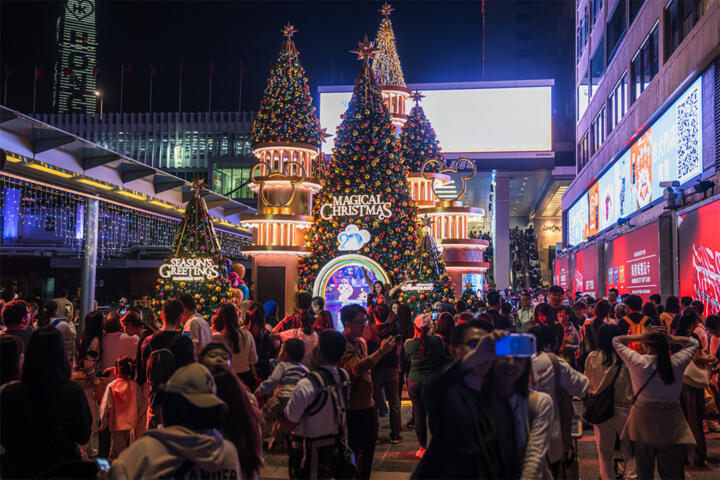
Winter Holiday Markets And Allergies
A traveler with seasonal allergic rhinitis plans a winter holiday market trip in a region where indoor air can be dry and crowded. They schedule outdoor market time in the morning and choose indoor cafés for breaks, which reduces continuous exposure to cold, dry air and triggers. They bring their usual antihistamine and nasal spray, and they confirm that their prescription is current before departure.
On the busiest day, they notice long security lines at the main entrance. Instead of forcing the original plan, they shift to a smaller market entrance and a nearby craft workshop. Their schedule remains realistic because they planned blocks rather than minute-by-minute timing.
Comparison Checklist
| Decision Area | Event-Centered Plan | Logistics-Centered Plan | Health-Centered Plan |
|---|---|---|---|
| Primary focus | Main event day and ticket times | Arrival/departure windows and transit access | Crowd exposure, allergens, heat/cold |
| Where plans break | When queues and closures shift timing | When you underestimate seasonal health risk | When you ignore ticketing and access rules |
| Best for | Travelers with flexible days nearby | People sensitive to long commutes | Travelers managing chronic conditions |
| Quick checklist | Confirm entry time, gates, and ID rules | Check closures and last-transport times | Plan hydration, allergy meds, and crowd breaks |
Common Mistakes
Booking lodging only by distance to the venue can fail when event road closures force detours. A hotel that looks close on a map can become far when the main pedestrian routes are blocked. Check whether the venue area has restricted access during the event window.
Another mistake is relying on a single forecast for outdoor events. Weather patterns often shift across days, and a forecast that looks fine for one afternoon can still bring rain or wind during evening crowds. Use hourly forecasts and plan indoor backups for each event day.
Travelers also underestimate how crowd density affects health. If you have asthma, allergies, or immune concerns, plan for breaks and medication timing. Skipping rest because “the event is happening” can worsen symptoms and reduce your ability to enjoy the rest of the trip.
Finally, people forget to check closures for services that support travel: pharmacies, grocery stores, and public offices. During holiday weeks, some services close earlier than usual. A short list of nearby open options can prevent a stressful scramble.
FAQ
How early should I book?
For major seasonal festivals, booking flights and lodging several months ahead often reduces sell-outs and price spikes. If the event is smaller, 4–8 weeks can work, but confirm ticket availability and refund rules before purchase.
What should I check for event dates?
Confirm the full event window, gate opening times, entry requirements, and any road or transit closures. Look for official service alerts from the transit authority for the same dates.
How do I plan for seasonal health risks?
Match your itinerary to the season’s risks: pollen and allergies, heat and dehydration, mosquito activity, and crowd-related respiratory exposure. Bring your usual medications and plan hydration and rest breaks during peak hours.
Do I need travel insurance for seasonal events?
Travel insurance can help with trip interruption, medical costs, and delays, but coverage varies by policy and destination. Read the exclusions for pre-existing conditions and event-related disruptions before buying.
How can I reduce time lost in lines?
Choose less crowded time slots, arrive earlier than the ticket time when security checks are common, and keep same-area indoor backups. If the queue exceeds your personal threshold, switch plans rather than waiting indefinitely.
Author's Insight
Seasonal-event travel planning works best when you treat the event as a schedule that interacts with transport, weather, and health risk. Most problems come from planning around the headline date while ignoring the surrounding days when arrivals, closures, and crowds peak. A practical method is to build a calendar with three ranges—event days, peak arrival, and peak departure—then add health and service checks for each day. Tools like transit alerts and hourly weather forecasts reduce uncertainty, but they still need verification against official sources. If you have chronic conditions, align medication timing and rest breaks with the event plan rather than trying to “push through.”
Key Takeaways
- Plan around the event window plus peak arrival and departure days, not only the main showtime.
- Check transit and road closures for the exact dates; reroutes can change walking and travel time.
- Treat seasonal health risks as itinerary constraints: hydration, allergy management, and crowd breaks.
- Use same-area backups and modular time blocks so weather or queues do not derail the day.
- Verify ticketing and service hours for holiday weeks, since pharmacies and stores may close earlier.