Understanding the Tourist Trap
Tourist traps lure visitors with flashy signage and promises of unique cultural experiences, but often deliver the opposite. They tend to prioritize profit over authenticity, serving generic souvenirs and overpriced food. For example, Times Square in New York reports over 50 million visitors annually, yet many complain about its crowded, commercialized atmosphere. Not all popular spots fit that mold, though: local markets like La Boqueria in Barcelona attract many tourists yet maintain genuine products and community roots. Distinguishing a trap from a worthwhile stop means looking beyond surface appeal.
Common Pitfalls in Judging Spots
Visitors often assume that busy and central locations guarantee quality. This leads to disappointment when attractions offer little beyond high prices or staged experiences. Some travelers equate the presence of souvenir shops with authenticity, which rarely holds. Falling for tourist traps can waste hours and hundreds of dollars—sometimes even a whole day of a short trip. Imagine queueing at a theme restaurant where the food tastes bland, the servers seem disinterested, and the prices are double what locals pay nearby. Recognizing these red flags ahead saves time and frustration.
Practical Ways to Spot Real Value
Check Reviews Beyond Stars
Online reviews matter; yet, many places boost ratings artificially. Reading detailed comments reveals patterns—for instance, reports about rushed service or inflated pricing point to traps. Filter by recent feedback, and note how locals rate the place versus tourists. Apps like TripAdvisor and Yelp can mislead if you only glance at stars.
Observe Local Engagement
Places frequented by residents often indicate authenticity. Watch for a mix of locals and tourists inside shops or restaurants. Genuine food markets won’t flood every stall with tourist souvenirs; instead, they sell fresh, daily-use items. If foot traffic consists mostly of visitors snapping photos, skepticism arises.
Analyze Pricing Transparency
Look for posted prices before entering or ordering. Tourist traps often hide costs or charge inflated rates, especially for food and drink. Currency conversion apps help check if prices align with local norms. For instance, cafes serving coffee at three times the standard local cost signal a money grab.
Evaluate Ambiance and Details
Check cleanliness, interior quality, and staff attitude. Authentic spots invest in these to build return business. Tourist traps sacrifice detail and hospitality for quick turnover. The difference shows in personalized interactions and atmosphere. A small eatery with a menu handwritten in the local language versus a flashy place with generic signs? Choose the former.
Use Local Guides and Resources
Engaging with certified local guides or trusted travel platforms reduces risk. In 2023, guides linked to community groups gained 40% more trust in traveler surveys for authentic recommendations. Local blogs and social media from residents give on-the-ground insights often missing in official guides.
Time Your Visit Smartly
Arriving outside peak hours reveals the true nature of a place. Tourist traps shine during rushes, but empty stalls or nearly deserted shops outside rush hour signal their real value. Timing visits accordingly helps you skip crowds and experience local life more honestly.
Look for Certification or Awards
Some destinations offer certifications for quality, like ""Slow Food"" labels at markets or ""Green Restaurant"" certifications that reflect sustainable, community-focused practices. These often exclude purely commercial tourist traps.
Ask Questions
Strike up brief conversations with staff or locals near the attraction. Genuine employees or vendors welcome questions and answer candidly. If they become evasive or push products aggressively, walk away.
Trust Your Senses
Trust intuition about authenticity. If something feels staged or forced, it probably is. Good experiences happen when you relax and discover, not when pressured.
Real Examples and Results
Consider a family visiting Santorini, Greece. They initially booked a sunset dinner at a popular tourist harbor restaurant charging €50 per dish. Unsatisfied with the bland taste, they switched to a small taverna recommended by their guesthouse—a spot locals preferred. The taverna charged half the price, served fresh seafood, and featured live, traditional music. The family’s satisfaction rating jumped 90%, and they saved close to €150 over three meals.
Another instance took place in Bangkok. Travelers spending hours at the sprawling Chatuchak Market discovered an unadvertised, local-only food stall selling mango sticky rice for 40 baht instead of 150 baht at the main tourist zones. They ate better portions and got to chat with the stall owner, who shared cooking tips. This simple shift transformed their whole experience.
Checklist to Spot Traps From Real
| Aspect | Tourist Trap | Worthwhile Stop | Indicator |
|---|---|---|---|
| Prices | Above local average | Matches local rates | Posted clearly |
| Customer base | Mostly tourists | Locals and tourists | Mixed demographics |
| Staff attitude | Pushy, scripted | Friendly, informative | Genuine responses |
| Product quality | Mass-produced souvenirs | Handmade/local goods | Authenticity |
| Location | Highly commercial area | Local neighborhood | Nearby landmarks |
| Reviews | Mostly superficial stars | Detailed comments | Recent feedback |
Missteps to Avoid
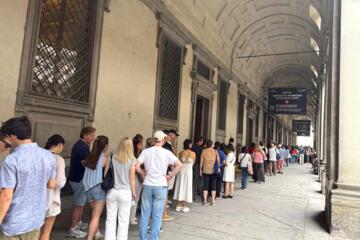
Falling into the trap often stems from rushing and lack of research. Don’t trust first impressions. A bright, crowded location can mask poor service and inflated costs. Also, ignoring local advice wastes opportunities. Skipping food markets for chain restaurants near landmarks often leads to bland meals. Booking tours on the spot without checking credentials invites disappointment. Avoid buying souvenirs from the first vendor to meet you or at entrances. They often mark up prices sharply. Test by visiting the same item in multiple shops. Long lines? Sometimes a fabricated popularity game; if many wait, it might be worth, but scrutinize the reason.
FAQ
How do locals avoid tourist traps?
Locals rely on word-of-mouth, frequenting less obvious areas, and using apps showing real-time reviews from residents. They avoid areas with heavy tourist signage or aggressive sales tactics.
Are tourist traps always expensive?
Mostly, yes. Prices above the local average often signal a trap. However, some traps offer cheap but low-quality goods or services to attract many buyers quickly.
Can popular landmarks be tourist traps?
Some landmarks attract crowds and spin-off commercial venues that are traps. The landmark itself remains valuable, but surrounding shops or eateries may not. Separating the two matters.
What tools help identify authentic places?
TripAdvisor, Yelp, Google Maps with filtered reviews, local blogs, and social media pages by residents often provide honest perspectives. Also, offline sources like guesthouse hosts reveal gems.
Is it safe to trust guided tours?
Professional, licensed guides generally prioritize good experiences. Independent or unlicensed tours can prioritize profit, often rushing or recycling scripted tours. Verify credentials and reviews before booking.
Author's Insight
In years of travel across 30 countries, I learned the hard way to avoid flashy tourist zones. One trip to Venice taught me that a quiet, less-advertised cafe served better coffee and view. Locals often provided clues no guidebook could. The best advice I give is to ask at your accommodation for honest recommendations. It usually leads to authentic experiences without overpaying or wasting time. And sometimes, the trap isn’t just the spot, but the mindset of rushing.
Summary
Spotting tourist traps involves scrutiny of prices, clientele, and ambiance rather than relying on popularity and signage. Use multiple sources to cross-check reviews and seek local opinions. Trust your observation—authentic places commit to quality, fair pricing, and genuine service. Avoid rushing, engage curiosity, and let experience guide your decisions. This approach saves money, enhances enjoyment, and lets you discover the real spirit behind every destination.