Street Food Essentials
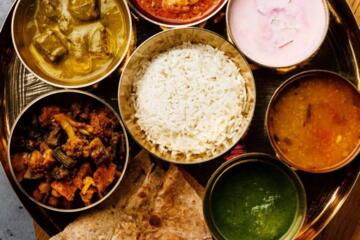
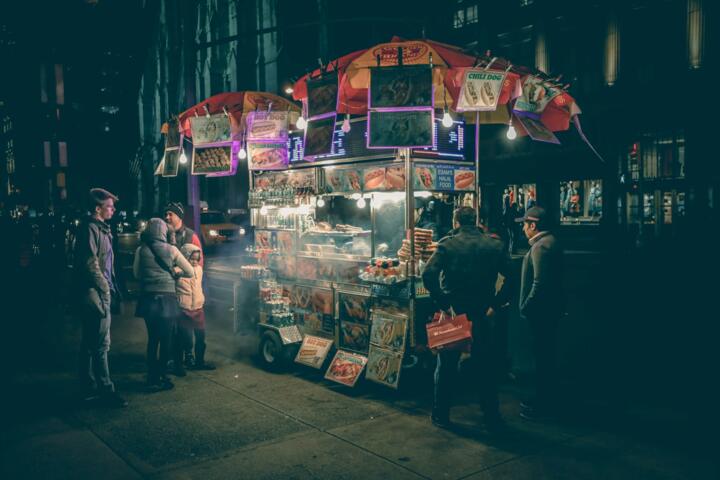
Street food is a culinary adventure found outside traditional restaurants, often served from small carts, trucks, or stalls. Examples include Korean tteokbokki, Mexican tacos al pastor, and Indian pani puri. According to the World Street Food Congress, more than 2.5 billion people worldwide consume street food daily, making it a significant part of urban food culture. Street food offers variety, affordability, and direct connection to local flavors, drawing food lovers across the globe. Yet, the experience varies widely depending on location, season, and vendor practices.
Common Risks and Challenges
People often mistake street food as unsafe by default, but poor handling and contamination cause most issues. Cross-contamination between raw and cooked foods can lead to foodborne illnesses like salmonella or E.coli. Vendors lacking refrigeration or clean water contribute to bacterial growth. You might see a dirty stall or uncovered dishes — these matter. Outsiders rarely realize that improper waste disposal nearby can attract pests that spoil food quality. The consequences range from mild stomach upset to severe infections requiring medical care. Eating without awareness means risking travel disruptions or worse.
Practical Food Tips
Choose Busy Vendors
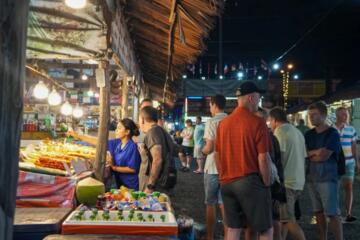
High customer turnover signals freshness. Food sold quickly doesn't sit out long, reducing bacterial risk. Observing local crowds helps: if locals line up at a corner, it’s worth a try. In Bangkok, for example, stands near busy markets often serve freshly cooked items in under 10 minutes.
Watch Food Preparation
Pay attention during cooking. Food prepared to order and cooked thoroughly neutralizes many risks. For instance, meats grilled over live flame reach temperatures that kill germs. Avoid pre-cooked cold dishes without visible refrigeration.
Inspect Cleanliness
Look for clean utensils, gloved hands or disposable gloves (though not foolproof), and clean surfaces. A vendor wiping their hands frequently with sanitizer scores points. Vendors in Vietnam often carry hand sanitizer bottles visible; it’s a small detail I appreciate.
Favor Cooked over Raw
Raw salads or seafood carry higher risks unless the source is guaranteed safe. Stick to steaming, frying, or baking methods common in street food. Thailand’s grilled chicken skewers (gai yang) are safer bets than papaya salad from unwashed produce.
Use Bottled Water for Drinks
Tap water or ice made from it can harbor pathogens. Always ask for bottled beverages or freshly squeezed juices served without ice cubes. In Mexico City, street drinks sold with sealed bottles help avoid waterborne diseases.
Wash Hands or Use Sanitizer
Always clean your hands before eating with sanitizer or nearby wash stations when possible. Hands are frequent germs carriers, especially in crowded markets. I never skip this; it helps more than you think.
Trust Your Instincts
Never eat anything that smells off or looks questionable. Color changes, sliminess, or unusual odors are red flags. If it feels like a gamble, there are plenty of safer options around.
Ask Locals for Recommendations
Locals know which stalls maintain hygiene and flavor. Apps like Yelp and TripAdvisor can supplement but rely mostly on in-person advice. In Hanoi, a simple chat with street vendors can lead to hidden gems with cleaner setups.
Carry Basic Supplies
Hand wipes, small sanitizer bottles, and napkins prove useful. I once used a Swiss Army knife’s mini fork while traveling in Istanbul, where forks were scarce among street vendors.
Real-World Success Stories
Case 1: In Singapore, a hawker center called Lau Pa Sat improved food safety by mandatory hygiene training for vendors and introducing centralized cleaning facilities in 2019. This dropped reported food poisoning cases by 27% within six months. Customer flow remained high, proving safety does not reduce appeal.
Case 2: Mexico City’s La Merced market used a mobile app to rate stalls based on sanitation audits in 2021. Vendors with high scores saw a 15% increase in daily sales. Tourists reported higher satisfaction due to visible safety cues like hand sanitizer and covered food.
Food Choice Checklist
| Aspect | Ideal | Warning Signs | Action |
|---|---|---|---|
| Vendor Activity | Steady customers | Empty stall | Seek busy spots |
| Food Temperature | Hot served hot | Cold cooked food | Request fresh cooking |
| Utensils | Clean or disposable | Re-used dirty tools | Bring own utensils |
| Water Source | Bottled or boiled | Tap or open ice | Drink sealed bottles |
| Hygiene | Visible cleaning | Grimy surfaces | Avoid if dirty |
Common Errors to Dodge
Many rush to food without checking how vendors handle ingredients or disregard how long food has been sitting out. People ignore small hygiene cues thinking ""street food is like that."" That mindset invites trouble. Another mistake is trying exotic raw items without assessing risks; a raw oyster might be tempting but unsafe depending on source. Some travelers swallow ice cubes blindly, which often turns out to be tap water frozen without treatment. Lastly, using unwashed hands or sharing food with dirty fingers contaminates even perfectly cooked dishes. Avoid these habits; it’s simpler than they look.
FAQ
Is street food generally safe?
Many street foods are safe when vendors practice basic hygiene and cook food thoroughly. Look for busy stalls and fresh preparation.
How can I avoid food poisoning?
Choose cooked foods served hot, avoid raw produce unless peeled or washed, and only drink sealed or boiled liquids.
What street foods are safest to try?
Grilled meats, fried snacks, steamed dumplings, and freshly made hot soups tend to have lower risks than raw seafood or salads.
Should I carry hand sanitizer?
Yes, cleaning your hands before eating lowers chances of ingesting germs, especially in crowded markets with limited facilities.
Can I eat street food if I have a sensitive stomach?
Start with well-cooked, simple dishes and small portions. Avoid unfamiliar raw items until you know how your body reacts.
Author's Insight
In my years traveling across Asia and Latin America, I learned that street food offers unmatched flavor but demands respect for hygiene boundaries. I’ve seen folks skip lining up or ignore obvious dirt, ending with bad stomach days. My routine includes a quick stall audit — checking crowds, prep hygiene, and asking questions sometimes, usually without fuss. Traveling with a small sanitizer bottle tucked away made a big difference in 2023 when water access was limited. Trusting locals but balancing that with my own sense has always worked well.
Summary
Street food thrills but holds risks if ignored. Favor vendors with high turnover and visible hygiene. Stick to freshly cooked options and avoid raw unless source is verified. Carry sanitizer, choose bottled drinks, and watch food prep carefully. These habits reduce health risks while maximizing your culinary journey in bustling streets worldwide.