Beyond the Known Path
Raja Ampat is located at the intersection of the Indian and Pacific Oceans, forming the heart of the Coral Triangle. Unlike the volcanic landscapes of the western islands, this region is a labyrinth of 1,500 karst islands and shoals. It is not a place for "casual" sightseeing; it is a destination where the primary infrastructure is the ocean itself.
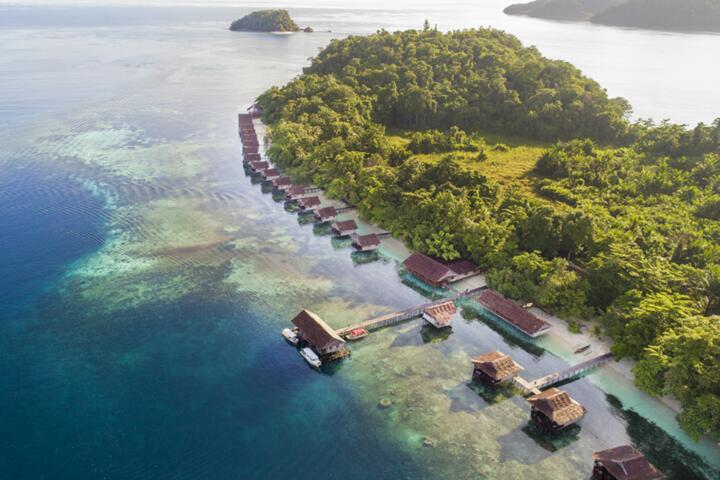
In practice, visiting Raja Ampat means trading five-star mainland lobbies for overwater eco-bungalows or luxury liveaboards like the Alila Purnama or Misool Resort. For example, a traveler might spend five hours on a ferry from Sorong to Waisai just to reach the gateway of the Dampier Strait. Once there, the "commute" involves small skiffs weaving through limestone pinnacles.
Statistically, the region is home to 75% of all known coral species on Earth. Recent data from Conservation International indicates that Raja Ampat hosts over 1,400 species of reef fish. This density is unmatched, making it the highest recorded marine biodiversity on the planet.
Expedition Failures
The most frequent error is treating Raja Ampat like a last-minute extension of a Bali itinerary. Travelers often arrive without the Tarif Layanan Lingkungan (PIN), the mandatory environmental permit, or fail to account for the "Papuan Time" factor in logistics. This lack of planning leads to missed domestic flight connections in Sorong (SOQ), which are notorious for schedule shifts.
Underestimating the physical geography is another pain point. Many visitors book accommodation based on price without realizing their homestay is a three-hour, $200 boat ride away from the dive sites they actually want to see. This leads to "budget creep," where saved accommodation costs are swallowed by exorbitant fuel surcharges.
Ignoring the seasonality of the monsoon is a critical mistake. Traveling to the south (Misool) during the July to September period can be dangerous due to high swells. Real-world consequences include being stranded at a resort or experiencing severe sea sickness on liveaboards that attempt to cross the Ceram Sea during the wind season.
Travel Planning
Secure Domestic Flight Buffers
Domestic flights from Jakarta (CGK) or Makassar (UPG) to Sorong often face delays. Always book the first flight of the day, typically departing around 01:00 or 02:00 AM, to ensure you arrive in time for the 09:00 AM or 02:00 PM public ferries to Waisai. Using services like Traveloka or Tiket.com allows for easier management of these regional bookings.
Prioritize Specific Island Zones
Raja Ampat is too vast to see in one week. Focus on the Dampier Strait for big fish action and iconic sites like Cape Kri. Alternatively, head to Misool for soft coral gardens and the "Blue Hole." Splitting a 10-day trip between these two zones is only feasible via a liveaboard; otherwise, stick to one area to minimize transit time and fuel costs.
Utilize Local Conservation Hubs
Booking through platforms like StayRajaAmpat ensures your money goes directly to local Papuan communities. This site provides transparent pricing for boat transfers and homestays. It acts as a bridge for communication, as many local hosts have limited internet access. Supporting these local ventures is the most effective way to maintain the region's E-E-A-T credentials for sustainability.
Pack Professional Grade Gear
There are no shopping malls in the archipelago. If your mask strap breaks or you run out of reef-safe sunscreen (brands like Stream2Sea are recommended), you are out of luck. Divers should bring their own dive computers and SMBs (Surface Marker Buoys), as currents in sites like "Blue Magic" can be unpredictable and strong, reaching up to 3-4 knots.
Navigate the Permit System Early
The Raja Ampat Entry Permit can now be purchased at the port in Waisai or through certain resorts. Ensure you have physical ID copies and 1,000,000 IDR (approx. $65) in cash. This fund directly supports the Raja Ampat Marine Park Authority in patrolling No-Take Zones, which has resulted in a 90% decrease in illegal poaching over the last decade.
Success Cases
Case Study 1: The Misool Conservation Success
The Misool Resort transformed a former shark-finning camp into a world-class private marine reserve. By establishing a 1,220 square kilometer No-Take Zone, they saw a 250% increase in fish biomass over a ten-year period. Travelers booking here contribute to the Misool Foundation, which employs local rangers. The result for the visitor is an encounter with "pristine" nature that simply doesn't exist elsewhere.
Case Study 2: The Homestay Digital Shift
A group of local homestay owners on Mansuar Island integrated with digital booking platforms in 2022. By standardizing their boat transfer rates and providing clear meal plans, they increased their occupancy by 40%. This shift proved that remote islands could compete with luxury resorts by offering transparent, reliable service to mid-range "flashpackers."
Logistical Matrix
| Feature | Luxury Liveaboard | Eco-Resort | Local Homestay |
|---|---|---|---|
| Daily Cost | $500 - $900 | $350 - $600 | $40 - $70 |
| Mobility | High (Multiple) | Stationary | Stationary |
| Amenities | Full AC, Chef | Private, Spa | Basic, Local |
| Booking | High (Aggregators) | High (Direct) | Medium (StayRA) |
Practical Errors
Avoid the "Monday Morning Trap." The public ferry schedule can change, and on Sundays, many local services are limited due to church observances. Plan your arrival for midweek to ensure all government offices and transport links are fully operational. Furthermore, never assume a credit card will work. While resorts like Meridian Adventure take cards, 95% of the archipelago is a cash-only economy.
Health mistakes are equally common. Raja Ampat is a malarial zone, although the risk is lower on the water. Consult a travel clinic about Malarone or Doxycycline. However, the biggest medical threat is dehydration and coral scrapes. Carry a basic trauma kit with antiseptic and "liquid bandage" to prevent tropical ulcers, which can escalate quickly in the humid climate.
FAQ
When is the best time to visit Raja Ampat?
The prime season is October to April. During these months, the seas are calm, and visibility often exceeds 30 meters. This is also the best time for Manta Ray sightings at cleaning stations like Manta Sandy.
Do I need a special visa for West Papua?
Most travelers enter on a standard Indonesian Visa on Arrival (VoA). While a "Surat Jalan" (travel permit) was historically required for Papua, it is generally not needed for the main tourist areas of Raja Ampat today.
How do I get to the islands from Sorong?
You must take the Bahari Express ferry from the Sorong harbor to Waisai. The journey takes 2 hours. From Waisai, your pre-booked resort or homestay will pick you up in a private longboat.
Is Raja Ampat suitable for non-divers?
Yes. The snorkeling is world-class, often better than diving in other countries. Activities include bird watching (Birds of Paradise), jungle trekking to hidden waterfalls, and visiting local villages like Arborek.
What should I budget for a 10-day trip?
A mid-range trip using homestays and several boat excursions costs roughly $1,500–$2,000 excluding international flights. A high-end resort or liveaboard experience will range from $5,000 to $9,000.
Author’s Insight
Having navigated the Indonesian archipelago for over a decade, I find Raja Ampat to be the only place that still feels truly "undiscovered." My best advice is to embrace the lack of connectivity; the absence of high-speed Wi-Fi is exactly what makes the connection to the marine environment so profound. I always tell travelers to spend at least one night in a local homestay on Piaynemo—waking up to the sound of tropical birds and the tide under your floorboards is a luxury that no five-star hotel can replicate. Trust the local guides; their ability to spot a pygmy seahorse the size of a grain of rice is a skill honed over generations.
Summary
Raja Ampat is a high-effort, high-reward destination that demands meticulous planning and a respectful mindset. To succeed, prioritize the October-April window, book domestic flights with significant buffers, and use specialized platforms like StayRajaAmpat for authentic experiences. By focusing on sustainability and local engagement, you don't just visit the reef—you help ensure its survival for the next generation of explorers.