Why walkable cities matter
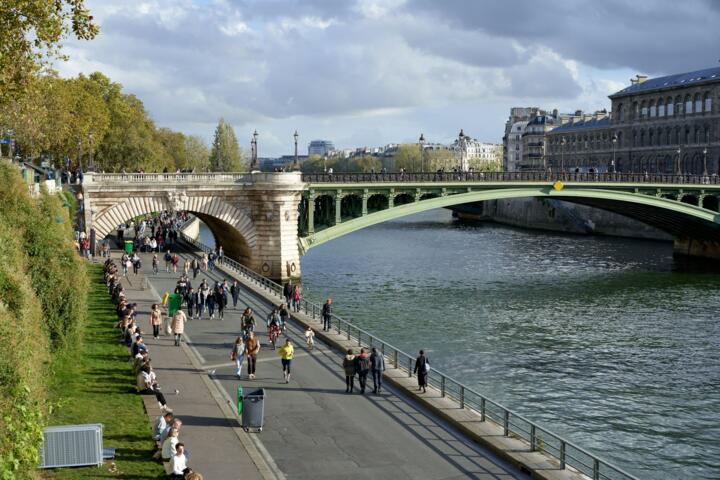
Walkability shapes how people experience cities. Cities like Amsterdam, Copenhagen, and Tokyo attract millions partly because they cater to pedestrians with extensive sidewalks, safe crossings, and amenities within walking distance. Over 60% of New York City residents commute on foot, highlighting the strong link between urban design and daily activity. Cities that invested in walk-friendly infrastructure see lower pollution, stronger local economies, and healthier populations.
Still, walkability is more than just sidewalks. It’s about how diverse uses cluster so people meet daily needs in minutes, not miles. Quality lighting, benches, and shade add comfort, while clear signage navigates visitors easily. The numbers vary, but in cities where 70% or more destinations are reachable within a 15-minute walk, residents report higher satisfaction and spend more on local businesses.
Challenges cities face on foot
Many cities struggle because they prioritized vehicles over people. People wrongly assume wider roads mean faster trips, yet traffic often worsens, discouraging walking. Without adequate sidewalks, narrow or broken pavements force pedestrians onto the street, raising crash risks. A 2019 study found pedestrians account for 17% of urban traffic deaths in the US, mostly in areas lacking walk infrastructure.
Moreover, urban sprawl scatters homes, shops, and services, making walking impractical. Think of a suburban strip mall 3 miles from residential zones—walking is too slow, and public transit options often thin out. This creates a vicious cycle: people drive more, cities build more roads, leaving walkability even further behind.
Practical ways to boost walking
Prioritize pedestrian zones
Closing streets to cars has clear benefits. Pedestrian-only areas reduce accidents and noise, encouraging cafés and vendors to thrive. Barcelona’s Superblock model, started in 2016, reduced traffic by 60% within targeted areas, increasing pedestrian flow by almost 35%. City authorities used physical barriers and traffic signs rather than heavy enforcement, showing modest changes can yield big gains.
Improve sidewalk design
Sidewalk width and materials directly impact usability. When sidewalks are less than 5 feet wide, two people cannot comfortably walk abreast. Memphis, TN improved its downtown sidewalks by expanding average widths from 4 to 8 feet and adding textured paving, which increased foot traffic by 25% in two years. Simple details like curb ramps and tactile surfaces help elderly and visually impaired pedestrians navigate confidently.
Integrate mixed-use developments
Mixed-use areas put homes, shops, offices, and parks close. Portland’s Pearl District transformed a former warehouse area into a walkable neighborhood with shops on the ground floor and housing above. This attracted 9,000 new residents by 2021. Walk scores improved citywide, and travel surveys showed a 40% drop in car trips within the district.
Enhance street lighting and safety
Lighting affects perception of safety—a major deterrent from walking after dusk. Chicago installed LED street lights in over 50 neighborhoods, cutting street crime reports by 11% according to police data. Well-lit crossings also decrease pedestrian fatalities, a detail often overlooked but plain in its effectiveness.
Add green spaces and rest areas
Urban parks and benches encourage longer strolls. Copenhagen’s ""Green Wave"" integrates paths with natural landscape and public seating areas every 250 meters. This design invites walking and reduces heat stress, which can be a dealbreaker in summer months. Active use of parks increases perceived safety too, creating a positive feedback loop.
Implement clear signage and wayfinding
Unclear or missing signs cause confusion, discouraging walking visitors. London’s Legible London system uses maps, directional signs, and landmarks, increasing tourist walking tours by 15%. Using durable, vandal-resistant materials and consistent iconography make signs reliable aids.
Invest in pedestrian crossings
Signal timing and crossing length impact pedestrian convenience and safety. Toronto redesigned its intersections with countdown timers and reduced crossing distances, leading to a 20% reduction in pedestrian collisions. Compact crossings and median refuges enable slower walkers to cross comfortably.
Promote walk-to-work programs
Businesses can reduce congestion by encouraging employees to walk. A Microsoft pilot in Seattle offered incentives for walking commutes, resulting in a 12% increase in pedestrian trips among staff during 2020. Companies reported fewer sick days and better focus among participants—walking turned out a win-win.
Create local community campaigns
Civic engagement campaigns help change attitudes. Paris launched ""Marchons !"" in 2022 to promote daily walking, combining media ads and events. This resulted in a 9% shift from driving to walking for short trips under 2 km. Messaging that highlights personal health and environmental benefits hits home for many.
Real-life walkability wins
Boston faced decades of vehicle dependency harming neighborhoods near downtown. In 2015, the city launched the ""Complete Streets"" program, reconstructing nearly 50 miles of roads with wider sidewalks, planted medians, and protected bike lanes. Residents using public spaces increased by an estimated 30%, and local retail sales in upgraded corridors jumped 18% by 2020.
Seattle’s South Lake Union district converted a car-heavy zone into a pedestrian-friendly hub. Between 2013 and 2019, pedestrian counts rose from 5,000 daily to 15,000, coinciding with a 20% drop in traffic crashes involving pedestrians. Here, integrated transit and pedestrian paths made the difference—people trusted the system enough to leave their cars behind.
Walkability factors checklist
| Feature | Effect | Example | Metric |
|---|---|---|---|
| Sidewalk width | Comfort, flow | Memphis widened to 8 ft | +25% foot traffic |
| Pedestrian zones | Safety, business | Barcelona Superblocks | -60% traffic in zone |
| Lighting | Safety at night | Chicago LED rollout | -11% crime reports |
| Mixed-use | Reduce car trips | Portland Pearl District | -40% car trips |
| Wayfinding | Ease of use | London signage system | +15% walking tours |
Walkability traps
Ignoring pedestrian needs during development causes long-term issues. Cheap pavement or too-narrow sidewalks force people into streets, increasing danger. Sometimes planners add sidewalks but fail to connect them logically. The result: pedestrians use unsafe shortcuts or revert to driving.
Neglecting maintenance is costly, too. Tree roots can break sidewalks, and poor drainage leads to puddles or ice. If cracking isn’t fixed, people avoid walking in those areas, killing any initial investment. Budget for upkeep; don’t expect sidewalks to last decades untouched.
Lack of inclusiveness hurts. Designing only for able-bodied, young pedestrians leaves out seniors, disabled, and parents with strollers. Accessibility features like ramps and consistent signal timings matter. Omitting these limits who benefits from walkability improvements.
Finally, over-optimistic assumptions about people’s willingness to walk long distances miss basic facts: 80% of trips under one mile usually involve walking, but beyond two miles, walking rates drop sharply. Realism beats ideology.
FAQ
What defines a walkable city?
A city where most daily needs—work, groceries, school, and recreation—are within a 15-minute walk and walking conditions are safe, comfortable, and attractive.
How does walkability impact health?
Higher walkability correlates with lower obesity rates and reduced risk of chronic diseases due to increased daily physical activity.
Are all cities suitable for walking?
Climate, urban design, and topography affect walkability, but many cities can improve conditions regardless of initial challenges.
What tools measure walkability?
Walk Score, StreetScore, and local pedestrian surveys evaluate access to destinations, sidewalk quality, and safety.
How can local businesses benefit?
Increased pedestrian traffic often boosts local sales; stores in walkable areas typically see 20–40% more foot traffic than in car-dependent zones.
Author's Insight
Having walked through over 40 cities worldwide, I’ve seen firsthand the difference walkability makes. It isn’t just infrastructure; it’s how people feel moving through a place. Small tweaks like better lighting or benches can transform a drab route into a lively corridor. Focusing on human-scale design and real pedestrian needs rather than flashy but impractical projects works best. You learn quickly who benefits and who doesn’t, which most reports miss.
Summary
Walking-friendly cities outperform others in health, sustainability, and economy. Fixing problems requires more than sidewalks—good urban design blends safety, convenience, mixed land use, and active community engagement. Prioritize pedestrian zones, maintain infrastructure, and include diverse users to make walking a practical daily choice. Try thinking less about cars, more about people.