Learning Seasonal Destinations
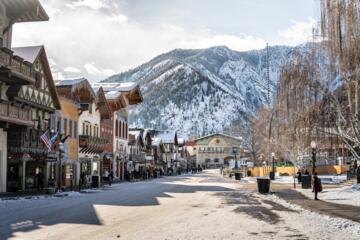
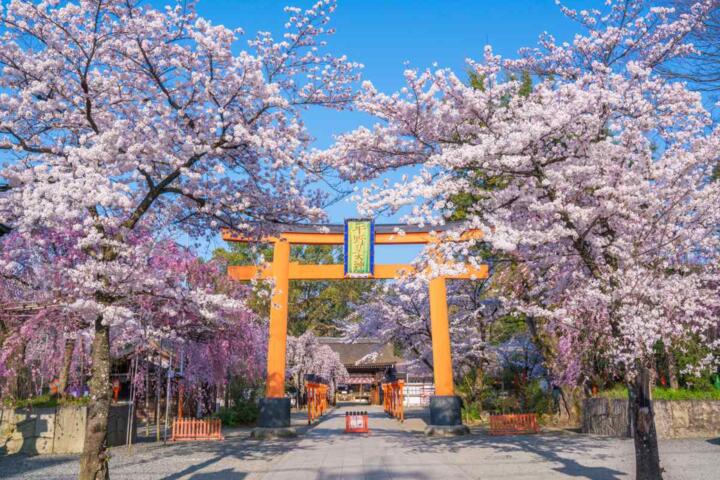
Seasonal destinations transform radically depending on time of year; ski resorts become ghost towns in summer, while beaches flood with vacationers in warm months. The White Mountains in New Hampshire see a 30% population increase during fall foliage season alone. This fluctuation impacts lodging, transportation, and even dining options dramatically. Knowing the local climate cycle helps calculate what to expect. For example, the Arizona desert blooms spectacularly in spring but stays brutally hot in summer.
Plan well ahead; some places open only part of the year. You can enjoy outdoor concerts near San Francisco in summer, but venues shut down in winter. The experience depends on timing, not just location.
The Challenges Travelers Face
Many assume availability and pricing stay consistent year-round. They don’t. Peak season inflates hotel rates by up to 40-60% compared to off months. Lack of planning leads to sold-out accommodations. Often, travelers arrive to find services limited: restaurants close, shuttle schedules reduce, or activities require reservations months prior.
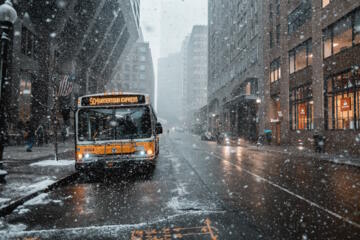
Ignoring local weather patterns results in uncomfortable surprises. For instance, beach towns may expect sunny skies, yet fog and rain dominate autumn afternoons. The disappointment of missing key experiences hits hard when dates don’t align.
Supplies and amenities sometimes vanish or surge in price. Places like Martha’s Vineyard stockpile goods for the busy months but struggle over winter. You lose conveniences and pay more for basics without preparing.
Practical Tips and Tools
Book Early and Confirm Often
Most seasonal destinations have a booking window where rooms fill rapidly—often six months before peak. Services like Airbnb, Booking.com, and direct resort websites show average booking lead times. For example, ski lodges in Colorado fill 90% by December for January-February stays. Confirm reservations multiple times to avoid cancellations or miscommunications.
Check Local Weather Data
Consulting sources like NOAA or local meteorological websites reveals realistic temperature and precipitation trends. Tracking average highs and lows warns against pack mistakes. One recent spring trip to Cape Cod surprised me with a 40°F drop overnight—jacket in carry-on, always.
Use Apps for Real-Time Updates
Apps like TripIt, Google Maps, and local transit trackers provide live status on traffic, shuttle availability, or ride sharing. Real-time weather alerts prevent being stuck outside in sudden storms. You save time, reduce noise, and the inbox stops winning.
Adapt Your Packing Strategy
Luggage should reflect unpredictable conditions. Layered clothing aids sudden weather shifts. If visiting mountain resorts during shoulder seasons, bring waterproof boots and breathable outerwear. Electronics chargers, sunscreen, insect repellent—each change dramatically with season.
Explore Off-Peak Options
Going just before or after high season lowers cost and crowd density. Many operators lower prices 20-30% and add personalized service. Some festivals and events run in these windows, too. Check local tourism boards’ calendars carefully.
Understand Transportation Variations
Shuttle timings shorten or vanish in off-season. Rental vehicle availability may plunge. Public transport less frequent. Renting a car in Iceland during winter, for example, requires 4WD and snow tires, which differ from summer rentals. Preparation beats frustration.
Research Dining and Services
Seasonal chefs, food trucks, and even grocery store hours vary sharply. During a New England summer, some lobster shacks operate daily, but winter months reduce hours dramatically. Call ahead or check online hours before depending on specific eateries.
Benefit from Local Guides
Hiring local guides familiar with seasonal quirks adds insider knowledge. Guides know when trails close due to melting ice or when wildlife visitors peak. Tours like those by REI Adventures include detailed seasonal data, adding trustworthiness.
Booking Insurance
Travel insurance policies that cover weather interruptions and cancellations have clauses especially relevant for seasonal trips. Some providers, like Allianz or World Nomads, cover trip delay from seasonal closures. This peace of mind costs 5-8% of trip price but avoids major losses.
Real-Life Season Visits
A family visiting Aspen in December booked four months ahead, expecting snowy slopes. A warm December forced closures of 35% of runs so they switched to snowshoeing with a local guide, salvaging the trip. The advance booking secured lodging despite weather unpredictability.
A business traveler to Charleston arrived in September unaware the city’s most popular restaurants close after Labor Day. They found fewer options but pivoted to hidden gems open year-round, discovered via local app Yelp, avoiding usual frustration.
Seasonal Trip Readiness
| Step | Action | Tools | Outcome |
|---|---|---|---|
| 1 | Check seasonal calendar | Local tourism site | Avoid closed attractions |
| 2 | Book lodging months early | Airbnb, Booking.com | Lock best rates, availability |
| 3 | Pack layers, weather gear | Local weather apps | Comfort in fluctuating temps |
| 4 | Confirm transport options | Transit apps, rentals | Avoid stranded moments |
| 5 | Buy flexible travel insurance | Allianz, World Nomads | Cover delays or cancellations |
Errors to Avoid
Booking last-minute in high season means paying 50% or more extra and facing limited options. Ignoring day-to-day weather volatility—such as mountain phone signal drops—loses communication. Packing incorrectly wastes baggage space or leaves you cold or wet.
Relying on offhand advice instead of local sources risks missing seasonal nuances. Using standard GPS routes in rural, seasonal towns often misguides; some roads close completely in winter.
FAQ
How early should I book?
Book four to six months ahead for peak seasons. This secures lodging and tours before full occupancy.
Are seasonal prices always higher?
Yes. Demand spikes increase lodging and activity costs, sometimes doubling off-season prices.
What if weather changes plans?
Carry flexible plans and travel insurance. Local guides and apps help pivot your itinerary quickly.
How do transport services change?
Shuttles and public transport reduce frequency or stop operating off-season. Renting a car may be necessary.
Where to find local event calendars?
Check official tourism bureau websites or city-specific event platforms for up-to-date schedules.
Author's Insight
I've seen travelers arrive at mountain resorts only to face closed trails and overpriced last-minute hotels. Scheduling early, tracking weather closely, and talking to locals transformed my visits. My favorite trick: joining community forums six months before trips for insider tips. Planning isn’t fun, but skipping it means frustration and lost money.
Final Thoughts
Seasonal destinations demand precise timing, smart bookings, and flexible plans. Early reservations, weather checks, and local info open doors to full experiences. Pack layers, expect shifting services, and secure travel insurance. These steps let you enjoy intense seasonal highlights without costly surprises.