Understanding Shoulder Season Travel
Shoulder season refers to the months sandwiched between peak and off-peak travel times. For example, May and September often serve as shoulder months for many European destinations. Tourist rush slows down significantly, yet weather conditions remain favorable enough to enjoy outdoor activities. Airlines and hotels typically offer prices 20-40% lower than summer peak levels.
The timing varies: in tropical regions, shoulder periods may coincide with the end or beginning of the wet season. This trade-off between fewer crowds and the risk of sporadic rain characterizes travel decisions in places like Costa Rica.
Travelers often overlook shoulder season benefits beyond cost, missing out on unique cultural events or local festivals that align with these months. Take Japan’s autumn shoulder season—less crowded than spring cherry blossom time yet rich in traditional harvest festivals.
It’s not low season, but not full rush either. Perfect compromise.
Common Misjudgments About Shoulder Season
Many travelers assume shoulder season means less to do or worse weather, pushing them to pick peak times only. This assumption often backfires: attractions can be less crowded, allowing more relaxed visits and better photo opportunities. Plus, in destinations like Italy’s Amalfi Coast, spring and fall offer cooler, comfortable temperatures without the thermostat topping 30°C.
Ignoring local calendars leads to surprises—some hotels close for renovations during shoulder periods, diminishing accommodation options unexpectedly. Also, less frequent public transportation in some rural spots hinders spontaneous exploration.
Sometimes, shoulder season trips miss catching schools' holidays, limiting family travel windows. This distortion in planning causes frustration or forces compromises on trip length or destination.
Neglect of weather nuance is another frequent issue: a rainy day or two can feel like a disaster but often clears quickly, leaving untouched trails or smiling locals happy to help.
Steps to Optimize Shoulder Season Trips
Book Flexible Accommodations
Choose hotels or rentals with free cancellation policies. Platforms like Airbnb or Booking.com often list places offering refundable rates 30 to 45 days ahead. Flexibility lets you adjust plans around unexpected weather or local closures.
Research Local Events
Identify community festivals, exhibitions, or food fairs during shoulder months. For instance, the Portland Rose Festival in Oregon occurs in late May, enhancing visits post-winter gloom. Check destination tourism sites—many publish event calendars.
Leverage Airport and Flight Deals
Airline sales often target shoulder season travelers—watch for deals on seats 20-50% cheaper than busy season. Tools like Google Flights alerts or Scott’s Cheap Flights help snag these offers. Fly midweek or red-eye routes for deeper discounts.
Pack Layered Clothing
Variable weather can surprise. Packing layers means dressing for sudden chills or sunbreaks without overweight luggage. Think moisture-wicking base layers plus windproof jackets for European autumn hikes or lightweight rain shells in tropical shoulder months.
Rent a Car When Possible
Public transit operates less frequently outside peak seasons. Renting a car in shoulder season provides control and access to hidden gems off main tourist paths. Services like Enterprise, Hertz or local providers highlight seasonal deals or unlimited mileage options.
Use Apps for Real-time Updates
When the internet falters or plans shift, apps like Weather.com, Rome2Rio, and TripAdvisor deliver up-to-date info on transport, weather, and open attractions. I once avoided a half-day rainstorm using dark sky alerts.
Engage Local Experts
Tour guides or concierges often know if certain museums close post-peak or which hiking routes are best in shoulder months. Their insider tips uncover experiences few tourists find beyond peak.
Consider Shorter Trips
Planning a trip of under ten days can concentrate experiences and reduce accommodation risks related to seasonal closures. Packing opportunities get better when not overstaying quiet seasons.
Monitor Currency Fluctuations
Lower demand in shoulder months can correlate with favorable exchange rates. Websites like XE or OANDA track these variations, potentially stretching your travel budget further in countries like Mexico or Thailand.
Examples of Shoulder Season Success
New Zealand Tourism Board reported a 15% increase in spring visits after promoting September-November shoulder season perks in 2022. One family I know flew to Queenstown mid-October, avoided summer crowds, and saved $450 on flights alone.
In Spain, Madrid's March shoulder season saw hotels cut prices by up to 35%, with museums operating full hours. Tourists experienced less waiting and personalized service at major attractions like Prado and Royal Palace.
A Shoulder Season Checklist
| Action | Why | When | Tools |
|---|---|---|---|
| Flexible Bookings | Adjust plans anytime | Before trip | Booking.com |
| Check Events | Avoid dull itineraries | 3 months prior | Official tourism sites |
| Pack Layers | Handle weather shifts | Before trip | Personal wardrobe |
| Rent Cars | Access remote places | Arrival day | Enterprise |
| Set Flight Alerts | Grab cheap deals | Months ahead | Google Flights |
Typical Trip Mistakes
Booking too early at fixed rates without flexibility blocks adjustments needed due to sudden cancellations or weather. It’s tempting but risky.
Waiting for deals just days before travel loses many shoulder season discounts airlines and hotels offer far in advance.
Ignoring local transport schedules leaves travelers stuck, especially in rural areas where buses run only twice daily in shoulder months. Rent that car!
Overpacking no longer works. Lightweight baggage and layering adapt better to fluctuating temperatures.
FAQ
What months count as shoulder season?
Shoulder months usually fall just before or after peak times; for Europe, April-May and September-October often qualify.
Is weather bad during shoulder timings?
Not necessarily. Variability increases with sudden rain or wind, but many days are pleasant and suitable for activities. Packing layers helps.
Are prices really cheaper?
Yes. Flights and hotels can be 20-40% less expensive compared to high season, according to recent travel data.
How crowded are attractions?
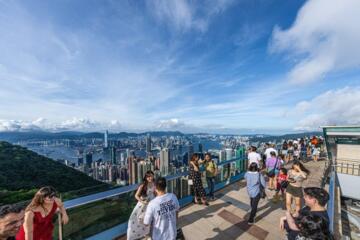
Much less crowded. Museums, landmarks, and trails offer more relaxed access and shorter queues than peak periods.
Can I bring family during shoulder season?
It depends on school holidays in your country and the destination. Shoulder season often falls outside major holiday breaks.
Author's Insight
After many trips timed in shoulder seasons, I’ve found these periods offer a different but richer pace. The quiet streets in Venice in late October, where I spotted fewer than 30 tourists around Piazza San Marco at midday, made an impression—more than I expected. Planning ahead with flexible bookings has saved me from weather hiccups more than once. This balance of savings and experience keeps me choosing shoulder seasons.
Summary
Traveling during shoulder season changes your trip by lowering costs, easing crowds, and opening chances for authentic experiences. Avoid common pitfalls like inflexible plans and don’t skip checking local event calendars. With layered packing and flexibility, you’ll enjoy both comfort and discovery. Start searching flights 2–3 months in advance to catch deals. Rent a car for remote access. Follow these tactics and shoulder season will refresh how you see destinations.