Greek Island Economics
The Greek ferry network is one of the most complex maritime systems in the world, consisting of over 200 inhabited islands served by dozens of private operators. Budget travel here isn't about deprivation; it's about timing and route optimization. For example, a high-speed ferry from Piraeus (Athens) to Mykonos can cost €85, while a conventional vessel on the same route might be €40. The difference is often just two hours of travel time.
In practice, experienced travelers use a "Hub and Spoke" model. Instead of hopping between the expensive Cyclades (Santorini, Mykonos), they base themselves in a less expensive central island like Naxos or Syros. From there, local "Agoni Grammi" (subsidized remote routes) offer incredibly cheap tickets to smaller gems like Schinoussa or Donoussa, often for under €10 per leg.
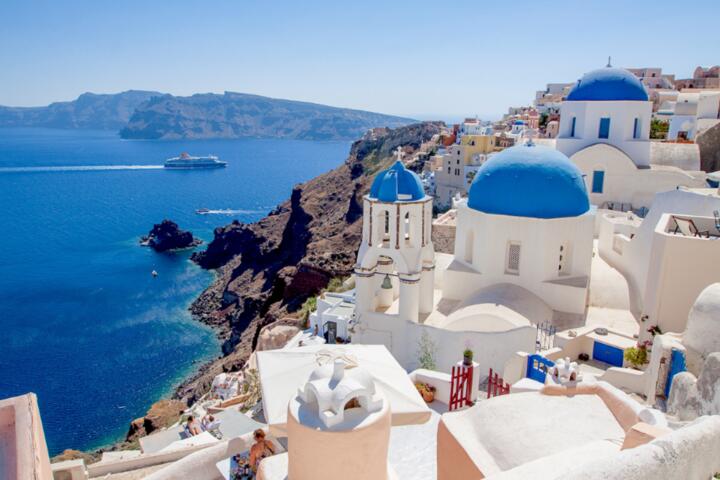
Current data shows that 70% of travelers visit only the top 5% of islands. This artificial demand inflates prices in Oia or Little Venice by 300% compared to the rest of the country. In 2024, the average cost of a Greek salad in a Santorini "view" restaurant reached €18, while in nearby Anafi, it remains a steady €7.
Island Hopping Pitfalls
The most common mistake is the "Bucket List Sprint." Travelers attempt to see five islands in ten days, spending more time in port terminals than on beaches. This leads to "ferry fatigue" and astronomical costs because last-minute bookings on high-speed catamarans are the only way to maintain such a tight schedule. These fast boats, operated by companies like Seajets, are prone to weather cancellations, which can derail an entire prepaid itinerary.
Another pain point is ignoring the seasonality of the Aegean. Visiting in July or August means paying peak-season surcharges for everything from moped rentals to "domatia" (traditional guesthouses). During these months, demand exceeds supply to the point where even basic hostels charge upwards of €100 per night. If you fail to book your ferry through aggregators like Ferryhopper or Let’s Ferry at least 2 months in advance for summer travel, you lose access to "Early Booking" discounts which can slash 20-30% off the ticket price.
Strategic Value Solutions
To see more for less, you must master the art of the "Slow Hop" and utilize specific local tools. By shifting your focus from the famous to the functional, you unlock the true Greek experience at a fraction of the cost.
Optimize Your Ferry Strategy with Conventional Vessels
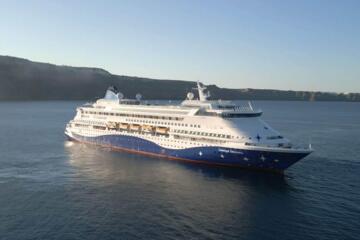
Skip the Flying Dolphins and high-speed catamarans. Look for large conventional ferries operated by Blue Star Ferries or Hellenic Seaways. These ships are slower but offer "Deck Space" tickets, which are the cheapest tier. On a 5-hour journey, the difference between a €30 deck ticket and an €80 high-speed ticket is significant. Use the Ferryhopper app to compare vessel types; it clearly labels ships as "Highspeed" or "Conventional."
Target the "Hidden" Island Chains
While the Cyclades are iconic, the Dodecanese or the North Aegean islands offer much better value. Islands like Leros, Kalymnos, or Chios have lower cost-of-living indices. In Leros, a full meal with wine for two rarely exceeds €35, whereas in Mykonos, that might only cover two cocktails. These islands are well-connected by Dodekanisos Seaways, which often runs regional promotions for inter-island hops.
Leverage the Shoulder Season Calendar
The "Golden Window" for Greek travel is from mid-May to June, and September to early October. During these periods, the weather is perfect (24-27°C), but accommodation prices drop by 50%. Most "Pension" owners are willing to negotiate rates for stays longer than 3 nights. Using Booking.com for research is fine, but calling the property directly or using their local website can often bypass the 15% commission fee, leading to a direct discount for you.
Master Local Transportation and Logistics
Avoid renting cars on every island. Instead, use the KTEL bus network. Every major island has a reliable bus system that connects the port to the main villages (Chora) for about €1.80 to €2.50 per trip. If you must rent a vehicle, opt for a 50cc scooter or a quad bike, which costs roughly €20-25 per day, compared to €60+ for a compact car. Always ask for the "weekly rate" even if staying for 5 days.
Utilize Multi-Leg Ticket Discounts
Some ferry operators offer "Island Pass" style discounts or round-trip reductions. For example, if you book your return trip to Piraeus with the same company you used to depart, you can often save 20% on the return leg. Platforms like Greeka allow you to build complex itineraries and see where these loyalty discounts apply. Also, look for "Social Tourism" (Siron) routes which are heavily subsidized by the Greek government to keep remote islands connected.
Budget Success Stories
The "Cycladic Triangle" Optimization
A couple planned a 14-day trip to Santorini and Mykonos in August. Their initial budget was €4,000. By pivoting their itinerary to start in Naxos, visiting Paros, and ending in Amorgos, they reduced their spend significantly. They used Blue Star Ferries exclusively and stayed in "Studio" apartments with kitchenettes found on Airbnb.
Result: They spent €1,950 total, including all meals and transport, saving over €2,000 while visiting three islands instead of two.
The Solo Backpacker's Dodecanese Route
A solo traveler used the Dodekanisos Express to hop from Rhodes to Symi, then Tilos, and finally Nisyros. By booking "Deck Class" and staying in local monasteries (like Panormitis on Symi) or budget hostels, the daily spend was kept under €55.
Result: 10 days of travel across 4 islands for a total of €600, including the volcano tour in Nisyros and boat taxis to secluded beaches.
Strategic Comparison
| Feature | High-Speed Catamaran | Conventional Ferry | Budget Impact |
|---|---|---|---|
| Average Price (Athens-Paros) | €70 - €85 | €38 - €45 | Save ~50% per leg |
| Travel Time | ~3 hours | ~4.5 - 5 hours | Costs 1.5 extra hours |
| Stability / Seasickness | Low (Bumpy in Meltemi winds) | High (Very stable) | Better comfort on large ships |
| Amenities | Basic seating, small snack bar | Full restaurants, cabins, outdoor decks | Better value for food/space |
| Booking Flexibility | Often sells out early | Usually has deck space available | Easier for last-minute plans |
Common Mistakes to Avoid
Do not book your ferries through physical travel agencies in the port of Piraeus on the day of departure. You will pay a "convenience fee" and likely be forced onto whatever high-speed boat still has seats. Always use digital e-tickets to avoid the €1-2 printing fee often charged by local kiosks.
Avoid the "All-Inclusive" trap. Many travelers think an all-inclusive hotel on Crete or Rhodes saves money. In reality, you are paying for mediocre food and losing the ability to explore local "Tavernas" where a "Gyros" plate costs €4 and provides a much more authentic culinary experience. In Greece, the best food is found in the backstreets, not the buffet line.
Never ignore the "Meltemi" winds. In July and August, strong northern winds can cancel smaller boats. If you are on a tight budget and your boat is cancelled, you may be forced to book an expensive last-minute flight or a high-end hotel while you wait. Always build one "buffer day" at the end of your trip in Athens before your flight home.
FAQ
What is the cheapest month to go island hopping in Greece?
The cheapest months are May and October. The weather is still warm enough for swimming, but accommodation prices are at their lowest, and ferry schedules are still frequent enough to allow for easy hopping.
Is it cheaper to buy ferry tickets at the port?
No. While prices for ferries are regulated, the cheapest "Economy" or "Super Economy" tiers sell out weeks in advance online. Buying at the port usually means you are left with "Club" or "VIP" seats, which are double the price.
Which Greek island is the most affordable for a long stay?
Crete is widely considered the best value. Because it is a large island with its own agriculture and industry, it doesn't rely solely on imports like the smaller islands, keeping food and rent prices significantly lower.
How can I save money on food while island hopping?
Look for "Psistarias" (grill houses) where locals eat. A "Souvlakia" or "Pita Gyros" is a filling, high-protein meal that costs under €5. Also, shop at local supermarkets like AB Vassilopoulos or Sklavenitis for breakfast supplies.
Do I need to book my inter-island ferries in advance?
For the popular Cyclades routes in summer, yes. For the smaller islands or the off-season, you can often book 24-48 hours in advance, giving you more flexibility to change your plans based on where you are enjoying yourself most.
Author’s Insight
In my decade of traversing the Aegean, I've found that the "secret" to a budget trip isn't just spending less—it's choosing the right islands. I always tell travelers to look at the ferry map and pick the "second to last" stop on the line. Most people get off at the famous first stop, but the prices drop significantly as the boat continues. My best experiences have always been on the conventional ANEK or Blue Star vessels, sitting on the deck with a coffee, watching the sun rise over the Cyclades. That view is free, whether you paid €30 or €300 for your trip.
Summary
Mastering Greek island hopping on a budget requires a shift from passive tourist to active strategist. By prioritizing conventional ferries, focusing on the Dodecanese or North Aegean chains, and utilizing tools like Ferryhopper for early bookings, you can drastically reduce your overhead. Focus on the shoulder seasons and the "Hub and Spoke" model to maximize your time and minimize your spend. The Aegean is best experienced slowly; your wallet, and your memories, will thank you for it.