Shift Toward Extended Stays
Slow travel is not just about staying longer; it is about changing the rhythm of discovery. In a world dominated by "Instagrammable" moments, the traditional traveler spends an average of only 1.8 days per city in Europe, according to recent tourism data. In contrast, slow travel encourages a "live like a local" philosophy. This means choosing one neighborhood, learning the name of the barista at the corner cafe, and understanding the local political climate or social nuances.
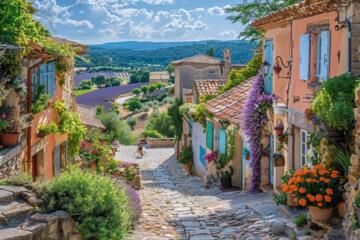
Practically, this looks like swapping a five-country whirlwind tour for a month-long apartment rental in the Oltrarno district of Florence or a quiet villa in Ubud. The rise of the digital nomad visa—now offered by over 50 countries including Spain, Portugal, and Japan—has institutionalized this trend. In 2023, Airbnb reported that long-term stays (28 nights or more) accounted for 18% of their total nights booked, a significant jump from pre-pandemic levels.
Costs of Rapid Tourism
The primary mistake modern travelers make is equating "seeing more" with "experiencing more." When you move every three days, you spend roughly 25% of your waking hours in transit, packing, or checking into hotels. This leads to "traveler’s burnout," a state of physical and mental exhaustion where even the Eiffel Tower starts to look like just another piece of metal.
The financial consequences are equally taxing. Moving frequently forces you to pay "tourist premiums"—last-minute transport tickets, expensive short-term rentals, and the necessity of eating every meal at restaurants located in high-traffic zones. Environmentally, the carbon cost of multiple short-haul flights or train journeys is significantly higher than a single long-stay trip. The psychological toll is the most profound: you return from your "vacation" needing another week off just to recover from the logistics.
Month-Long Journey Tips
Mastering the 30-Day Accommodation Strategy
To make a month-long stay viable, you must move away from hotels and toward residential rentals. Platforms like Blueground or Sonder offer furnished apartments designed for longer stays, often including high-speed Wi-Fi and workspaces. On Airbnb or VRBO, many hosts offer "monthly discounts" ranging from 30% to 50% if you book exactly 28 days or more. Always check for a washing machine and a full kitchen; these are the two pillars of long-term comfort that save you hundreds of dollars in laundry services and dining out.
Designing a Sustainable Routine
Slow travel works because it mimics real life but in a new environment. Instead of a 10-hour sightseeing marathon, adopt the "3-hour rule." Dedicate three hours a day to exploration and the rest to work, hobbies, or rest. Use services like Meetup or local Facebook groups (e.g., "Expats in Mexico City") to find weekly events. This creates a rhythm where you aren't a guest, but a temporary resident. This approach reduces stress hormones and increases the "serendipity factor"—the chance encounters that happen when you aren't rushing to a bus.
Leveraging Local Grocery Logistics
Eating like a local is the best way to understand a culture and save money. In Europe, visit the "Mercados" or "Halles" on weekday mornings rather than weekends. Use apps like Too Good To Go to rescue surplus food from high-end bakeries at a fraction of the price. Cooking just five breakfasts and four dinners a week at your rental can save a solo traveler over $800 a month in cities like London or New York, allowing that budget to be redirected into high-quality local experiences like a private vineyard tour.
Optimizing Your Connectivity and Workspace
For those working while traveling, hardware reliability is non-negotiable. Don't rely solely on Airbnb Wi-Fi; check speeds via a "WiFi Map" before booking or ask the host for a screenshot of a Speedtest result. Use an eSIM provider like Airalo or Holafly to ensure you have data the moment you land. For a professional environment, many slow travelers use "Coworking Passes" like those from WeWork or local hubs like Hubud in Bali, which provide networking opportunities that you won't find in a hotel lobby.
Navigating Slow Transportation
Forget domestic flights once you arrive. In regions like Japan or Italy, use monthly rail passes or regional bus networks like FlixBus. If staying in a city, look for the "Resident Card" equivalent for public transit. For example, in Lisbon, a monthly Navegante pass is significantly cheaper than buying daily Viva Viagem tickets. Walking remains the ultimate slow travel tool; aiming for 15,000 steps a day in a single neighborhood reveals architectural details and hidden shops that are invisible from a taxi window.
Slow Movement Examples
A marketing consultant from Chicago felt burnt out and decided to spend 30 days in Lisbon instead of her usual 10-day multi-city hop. By booking a monthly stay on Nomad List recommended sites, she reduced her accommodation cost by 45%. She spent her mornings working from a local cafe and her afternoons taking Portuguese lessons. Result: She returned with a basic fluency in the language, three new professional contacts in the EU market, and spent 20% less total budget than her previous 10-day trip to Paris.
A retired couple chose to spend October in a small village in Puglia, Italy. Rather than visiting 15 churches in 3 days, they joined a local olive harvesting collective. By participating in the local economy and staying in one Agriturismo for the duration, they were invited to private family dinners. Their total expenditure for the month, including a car rental, was $3,200—less than what they would have spent on a 10-day luxury cruise, with a much higher level of personal fulfillment.
Logistical Comparison
| Feature | Short Trip (3-7 Days) | Slow Travel (30+ Days) |
|---|---|---|
| Accommodation Cost | Premium (Daily Rates) | Discounted (Monthly Rates 30-50% off) |
| Primary Meal Source | Restaurants / Tourist Cafes | Local Markets / Home Cooking |
| Stress Levels | High (Tight Schedules) | Low (Flexible Routine) |
| Cultural Depth | Surface Level (Landmarks) | Immersive (Community / Language) |
| Environmental Impact | High (Frequent Transit) | Lower (Localized Living) |
Pitfalls and Navigation
The biggest mistake is "over-planning" a long stay. Many travelers try to schedule every day of their month like they would a weekend. This leads to burnout by day 10. Instead, leave at least two days a week completely blank. Another error is neglecting "home maintenance" tasks. You still need to do laundry, buy dish soap, and rest. If you treat every day like a holiday, your body and budget will fail.
Isolation is another risk. Staying in an apartment alone for a month can be lonely if you don't make an effort. Use platforms like EatWith to join dinner parties or sign up for a short-term course (cooking, language, or yoga). Finally, ensure your travel insurance, such as SafetyWing or World Nomads, specifically covers long-term stays and "nomadic" lifestyles, as standard 14-day policies may lapse.
FAQ
How do I handle my mail and bills while gone for a month?
Use a virtual mailbox service like Anytime Mailbox to view scans of your mail online. Set all utilities to autopay and notify your bank of your travel dates to avoid card freezes during international transactions.
Is slow travel more expensive than a regular vacation?
No, it is usually cheaper on a per-day basis. While the total cost might be higher because of the duration, your daily spending on food and housing drops significantly due to monthly discounts and the ability to cook.
What if I get bored in one location for 30 days?
Select a "hub" city with good regional connections. If you are in Lyon, you can take day trips to the Alps or Annecy. The goal is to have a consistent "home base" to return to, which provides psychological stability.
Do I need a special visa for a 30-day stay?
For most Western travelers, a standard tourist visa (like the Schengen 90-day rule) is sufficient. However, always check the specific entry requirements for your destination via official government portals or the IATA Travel Centre.
How do I choose the right neighborhood for a month?
Avoid the "Old Town" or main tourist square. Look for neighborhoods with high "walkability scores" on sites like Walk Score and check for proximity to a major grocery store and a public library or park.
Expert Perspective
In my decade of navigating global borders, I’ve found that the most profound travel memories never come from the "top 10" attractions. They come from the third week in a neighborhood when the local grocer stops asking if you want a bag because they know you brought your own. My advice: choose a destination based on a hobby rather than a landmark. If you like ceramics, go to Jingdezhen; if you like surfing, go to Ericeira. A month gives you the "temporal capital" to actually get good at something while you travel, which is the ultimate souvenir.
Summary
Transitioning to slow travel requires a mindset shift from consuming places to inhabiting them. By staying in one location for a month, you unlock financial efficiencies through platforms like Airbnb and Blueground, reduce travel anxiety, and foster genuine cultural competence. The actionable path forward is simple: for your next journey, delete the multi-city itinerary, book a residential apartment with a kitchen, and commit to one zip code. You will find that by seeing less, you actually experience much more.