Affordable Elegance
The concept of "Premium Value" in travel isn't about finding the absolute lowest price; it is about the arbitrage between local costs and global quality standards. While a coffee in Paris costs €6, the same artisanal roast in Tirana or Warsaw is €1.50, often served in a more architecturally significant setting. In 2024, data from the Post Office Travel Money report suggests that Eastern and Southern Europe continue to offer the highest purchasing power for foreign currencies.
From my experience, the "Premium" feel comes from three pillars: architectural integrity, service culture, and culinary sophistication. A weekend in Madeira, for instance, provides the lush, dramatic landscapes of Hawaii but at Portuguese supermarket prices. Statistics show that mid-range hotel prices in cities like Belgrade or Porto are currently 55% lower than in London or Zurich, despite offering comparable interior design and amenities.
Common Travel Errors
Most travelers equate "cheap" with "low quality," leading them to book bland, budget-chain hotels in outskirts rather than historic boutiques in emerging capitals. They often fall for "tourist menus" in high-traffic zones, paying premium prices for microwaved food. This lack of strategic planning results in a fragmented experience that feels "budget" rather than "exclusive."
Ignoring local flight hubs is another major pain point. Travelers often book direct flights to expensive hubs like Rome, missing out on secondary cities that serve as gateways to luxury for less. The consequence is a drained budget before the vacation even begins. I’ve seen travelers spend $300 on a mediocre dinner in Venice when that same amount could fund a three-day, fine-dining itinerary in Tbilisi or Krakow.
High-Value Strategies
Leverage Local Luxury Brands
Don't look for global chains like Marriott or Hilton; instead, seek out local "Grand Hotels" or boutique groups. In Poland, the Puro Hotels brand offers high-end Scandinavian design and curated art at a fraction of the cost of a standard 4-star hotel in London. By choosing local prestige, you access properties that prioritize regional heritage and superior service over corporate uniformity.
Master the Off-Peak Pivot
Timing is the ultimate lever for premium travel. Visiting the Algarve in late September or October allows you to stay at resorts like Vila Vita Parc for nearly half the August rate. The weather remains a steady 23°C (73°F), the crowds vanish, and the service becomes more personalized. Data shows that "shoulder season" bookings save an average of 35% while upgrading the overall quietude and exclusivity of the trip.
Dine at the Source
In cities like Ljubljana, Slovenia, or Budapest, Hungary, "Premium" dining is accessible. Use the Michelin Guide's "Bib Gourmand" category to find world-class meals that aren't overpriced. In Budapest, a lunch at a Michelin-rated spot like Stand25 Bisztró can cost less than a burger in New York. You get white-tablecloth service and culinary innovation without the "celebrity chef" tax.
Utilize Niche Transport
Skip the budget airlines' hidden fees and use premium rail or private transfers. In the Czech Republic, RegioJet’s "Business Class" offers leather seats, free sparkling wine, and touchscreen entertainment for less than $30 between Prague and Brno. This turns a simple commute into a first-class experience, maintaining the "premium" thread throughout the entire journey.
Focus on Aesthetic Capitals
Target cities with "Old World" charm that haven't been fully commoditized. Tallinn, Estonia, offers a medieval atmosphere that feels like a film set. By staying in the Old Town at properties like Hotel Telegraaf, you inhabit history. The digital infrastructure in Estonia is world-leading, meaning you get 5G speeds and seamless app-based services (like Bolt for cheap, high-end rides) amidst 14th-century walls.
The Coastal Arbitrage
Trade the French Riviera for the Albanian Riviera or the Montenegrin coast. In Budva or Kotor, luxury developments like Porto Montenegro offer yacht-club vibes and high-end shopping. However, the cost of a waterfront seafood dinner remains significantly lower than in Cannes. You are essentially buying the same sunset and the same Adriatic water for 60% less.
Real-World Cases
The Warsaw Transformation
A corporate executive wanted a luxury city break but was tired of the $800-a-night rates in Paris. We redirected them to Warsaw, Poland. They stayed at the Raffles Europejski Warsaw, one of the finest hotels in Europe. By utilizing local luxury, they enjoyed a 100-square-meter suite, private art tours, and tasting menus at Epoka. Total spend: $1,200 for 3 days. Comparable experience in London: $4,500. Result: 73% savings with zero compromise on status.
The Madeira Retreat
A couple sought a tropical, premium honeymoon feel without the 15-hour flight to the Maldives. We suggested Funchal, Madeira. Staying at Belmond Reid's Palace, they accessed historic luxury and world-class gardens. By dining at local "espada" houses and using Rentalcars.com to find a convertible for coastal drives, they maintained a high-end lifestyle for €200 a day. Result: A "once-in-a-lifetime" trip that was sustainable on a mid-range budget.
Luxury Value Guide
| Category | Expensive Choice | Premium Alternative | Savings |
|---|---|---|---|
| Hotels | Grand Hotel, Paris | Hotel Bristol, Warsaw | 50-60% |
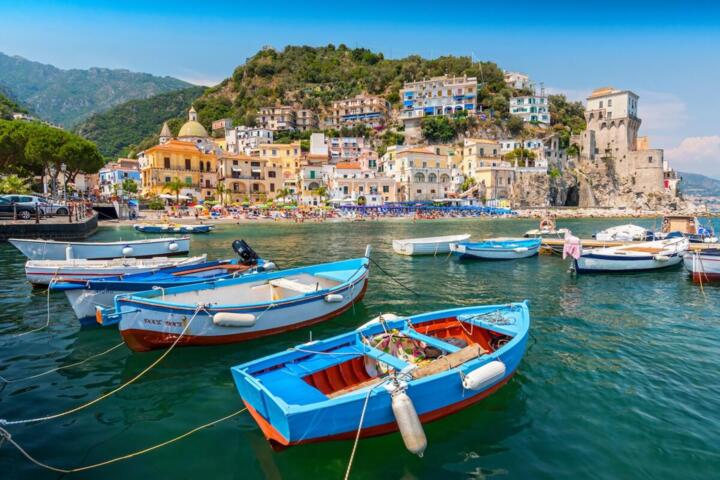
| Coastal | Amalfi Coast, Italy | Himare, Albania | 70% |
| Dining | Michelin 1* London | Michelin 1* Budapest | 40-50% |
| Skiing | Courchevel, France | Bansko (VIP), Bulgaria | 65% |
Avoiding Travel Traps
The biggest mistake is "Exchange Rate Blindness." Just because a currency is weak doesn't mean the city is cheap. Always check the Big Mac Index or the Cost of Living Index on Numbeo for a specific city before booking. Another error is overpaying for "Western" comfort food; always eat what the locals prize. In Portugal, the premium experience is the seafood; in Poland, it’s the modern dumplings. Trying to find a "Great American Steakhouse" in Bucharest will always result in a high bill and low quality.
FAQ
Is Eastern Europe safe for luxury travelers?
Statistically, many Eastern European capitals like Tallinn, Warsaw, and Ljubljana have lower crime rates than London or Paris. The "premium" experience there often includes a high sense of public safety and cleanliness.
How do I find boutique hotels that aren't "cheap"?
Use platforms like Design Hotels or Small Luxury Hotels of the World (SLH). Filter by "Newest Additions" in emerging markets to find introductory rates for 5-star properties.
Are language barriers an issue in these regions?
In the premium sector (4-5 star hotels and high-end dining), English is the universal standard. In countries like Estonia and Slovenia, English proficiency is among the highest in Europe.
Can I still get airline points on these routes?
Yes. National carriers like LOT Polish Airlines (Star Alliance) or TAP Air Portugal (Star Alliance) offer premium cabins and full mileage accrual, often at much lower fare classes than Lufthansa or United.
Which city offers the best "bang for buck" in 2026?
Belgrade, Serbia is currently the frontrunner. With a burgeoning "Brutalist-chic" design scene and world-class nightlife that rivals Berlin, it remains incredibly affordable for the level of sophistication offered.
Author’s Insight
I have spent a decade navigating the borders of Europe, and I’ve realized that "luxury" is increasingly about space, silence, and authenticity. My personal favorite hack is visiting Georgia (the country). While technically at the intersection of Europe and Asia, the "European" feel of Old Tbilisi combined with the Rooms Hotel brand offers an aesthetic experience that beats any generic 5-star in New York. My advice: look for where the creative class is moving, not where the cruise ships are docking.
Summary
To achieve a premium European experience on a budget, you must pivot away from the "Big Five" capitals and embrace the sophisticated fringes of the continent. By focusing on local luxury brands, leveraging favorable exchange rates in Poland or Albania, and timing your visits for the shoulder season, you can enjoy a five-star lifestyle for a three-star price. Start by auditing your next destination against the Value Checklist and prioritize cities where your currency works as hard as you do.