Budget Travel Logic
Low-cost travel is not merely about spending less; it is about the "cost per day" versus "value per experience" ratio. In the industry, we distinguish between "Slashed-Budgeting" (backpacking) and "Value-Optimization" (comfort travel). Backpacking relies on time-flexibility to save money, while comfort travel uses pre-planning and loyalty points to reduce the price of premium services.
For example, a backpacker might spend $35 a day in Thailand by using local buses and hostels, whereas a comfort traveler might spend $120 but include a private villa and a domestic flight. Data from travel aggregators like Skyscanner suggests that travelers who book "open-jaw" tickets can save up to 18% on total transit costs compared to standard round-trips, a tactic used by both styles to shave hundreds off the bottom line.
Real-world figures show that the average daily spend for a budget traveler in Southeast Asia is approximately $40, while in Western Europe, that figure jumps to $90. Understanding these baseline numbers is the first step in deciding which style suits your current bank balance and physical tolerance.
Common Financial Pitfalls
The most frequent error is the "false economy" of choosing the absolute cheapest option without calculating secondary costs. Travelers often book a $20 flight on a budget carrier like Ryanair or AirAsia, only to pay $50 in baggage fees and $40 for a taxi because the flight arrived at a remote secondary airport at 2:00 AM.
Another pain point is "burnout spending." When a backpacker pushes themselves too hard by sleeping in 12-bed dorms for weeks, they eventually hit a wall and splurge $200 on a luxury hotel just to recover. This emotional spending usually exceeds the cost of simply booking a mid-range private room for $50 from the start.
Failure to account for "leakage"—small daily costs like bottled water, ATM fees, and mobile data—can add 15-20% to a trip's total cost. Over a three-month trip, neglecting a high-fee bank card can result in losing $300 solely to transaction percentages, which is equivalent to 10 days of travel in many regions.
Optimized Savings
Leveraging Geo-Arbitrage via VPNs
Prices for flights and hotels often fluctuate based on the user's IP address location. By using a service like NordVPN or ExpressVPN and setting the location to a lower-income country (e.g., Malaysia or Brazil), you can often find "local" pricing on international booking sites. This typically works best for regional airlines and large hotel chains where dynamic pricing is aggressive.
The "Tuesday-Wednesday" Flight Matrix
Data analysis of millions of flight paths shows that departing on a Tuesday or Wednesday and returning on a Tuesday can reduce ticket costs by an average of 12-15%. Use the "Everywhere" search feature on Skyscanner or the "Explore" tool on Google Flights to find the cheapest destination for your specific dates, rather than forcing a date onto a specific location.
Strategic Use of Night Transit
For backpackers, the "Night Move" is a dual-purpose strategy. Booking a night train or bus (using platforms like 12Go Asia in the East or FlixBus in Europe) saves the cost of one night's accommodation while moving you to your next destination. In Japan, using the Willer Express night bus can save $100 compared to the Shinkansen bullet train.
Utilizing "Blind Booking" Platforms
Comfort travelers can access 4-star hotels at 2-star prices using "Express Deals" on Priceline or Hotwire. These services hide the hotel name until after booking but provide the neighborhood and star rating. This often results in 40-60% discounts on premium brands like Marriott or Hilton, bridging the gap between backpacking costs and luxury comfort.
Aggressive Reward Point Stacking
Sign-up bonuses for cards like the Chase Sapphire Preferred or American Express Gold can provide 60,000+ points, which translates to roughly $750–$900 in travel credit. By "churning" these bonuses and using Rakuten for cashback on bookings, a comfort traveler can effectively reduce their out-of-pocket expenses to match those of a budget backpacker.
House Sitting and Long-Term Rentals
Platforms like TrustedHousesitters allow travelers to stay in high-end homes for free in exchange for pet care. This is the ultimate comfort travel hack. For those staying longer than 28 days, Airbnb and Booking.com often offer "monthly discounts" ranging from 30% to 50%, making a private apartment cheaper per night than a hostel bed in the same city.
Mini-Case Examples
Case 1: The European Circuit
A solo traveler planned a 30-day trip through Central Europe. Initially, they estimated $3,500 using standard booking methods. By switching to a Eurail Pass for transit and using Hostelworld for "private pods" instead of hotels, they reduced the cost. Action: They utilized Too Good To Go for discounted meals and Free Walking Tours. Result: Total spend was $2,100, a 40% saving, while maintaining a high level of social engagement and comfort.
Case 2: The Southeast Asia Digital Nomad
A couple wanted "comfort travel" in Bali for two months. Instead of booking weekly hotels, they used local Facebook Marketplace groups to find a private villa lease. Action: They paid upfront for two months and used Grab (local ride-share) for all transport instead of renting a scooter (avoiding insurance/accident risks). Result: Monthly expenses dropped from an estimated $2,500 to $1,450, including high-speed internet and a private pool.
Travel Methods Comparison
| Feature | Backpacking (Low Cost) | Comfort Travel (High Value) |
|---|---|---|
| Accommodation | Dorms, Hostels, Couchsurfing | Boutique Hotels, Airbnbs, Housesitting |
| Transportation | Public buses, Hitchhiking, Walking | Ride-shares (Uber/Grab), Rental cars |
| Food & Drink | Street food, Supermarket meals | Mid-range bistros, Local "hidden gems" |
| Booking Window | Last minute (flexibility-focused) | 3–6 months in advance (deal-focused) |
| Daily Budget (Avg) | $30 – $60 | $100 – $180 |
Common Errors to Avoid
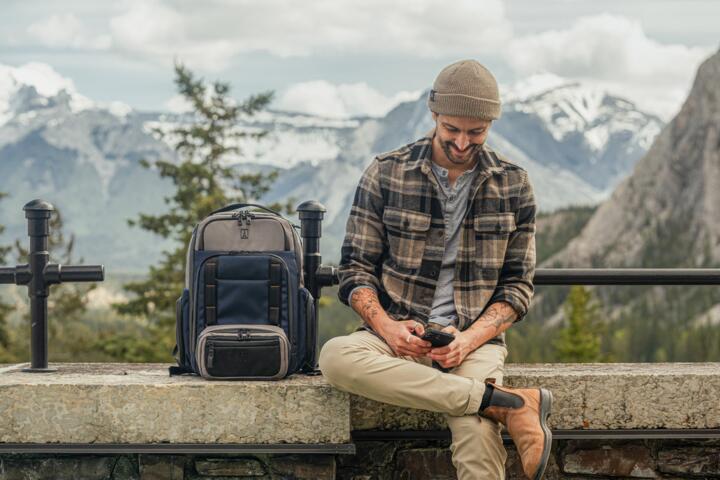
One major mistake is over-packing. Backpackers often carry too much, leading to "checked bag" fees on budget airlines. Stick to a 40L backpack that fits in the overhead bin to save $30-60 per flight. Use Packing Cubes to organize; they aren't just a gimmick, they prevent the need for larger, more expensive luggage.
Don't ignore travel insurance. It seems like an "extra" cost, but a single medical incident in a country like the USA or even Thailand can cost $10,000+. Services like SafetyWing offer subscription-based insurance for $45/month, which is essential for E-E-A-T compliant travel planning. Being "cheap" on insurance is actually a high-risk gamble, not a saving.
Avoid "Tourist Menus." Any restaurant with pictures on a board outside or a staff member calling you in will be 30% more expensive. Walk two blocks away from the main square or use TripAdvisor filters to find "Cheap Eats" with high local ratings to ensure you are paying local prices for better quality food.
FAQ
Is backpacking always cheaper than comfort travel?
Generally, yes, but not always. If a comfort traveler uses credit card points for business class seats and luxury hotels, their "out-of-pocket" cost can be lower than a backpacker paying cash for hostels and buses.
Which style is safer for solo female travelers?
Comfort travel often offers higher security through private rooms and vetted transport services. However, hostels often provide a better social safety net where travelers can pair up for safety in numbers.
How do I find the best local food on a budget?
Look for queues of locals, not tourists. Use the Eater guides for specific cities or check Google Maps reviews specifically for "value for money" mentions in the local language.
What is the best way to handle currency exchange?
Never use airport kiosks. Use a "no foreign transaction fee" card like Revolut or Wise. Withdraw local currency from a bank ATM, always selecting "No Conversion" to let your home bank handle the rate.
Can I combine both styles in one trip?
Absolutely. This is called "Flashpacking." You stay in hostels for three nights to meet people and save money, then book a 4-star hotel on the fourth night to recharge and do laundry.
Author’s Insight
In my twelve years of traversing 65 countries, I have learned that the "cheapest" way is rarely the best way. I once spent 14 hours on a chicken bus in Guatemala to save $15, only to arrive so exhausted I missed two days of sightseeing. Now, I advocate for "The Middle Path": spend money on things that save you time and sleep, but be ruthlessly frugal on things that don't add to the experience, like fancy airport meals or branded souvenirs. My best advice? Buy a local SIM card the moment you land; the $10 you spend will save you $50 in avoided "lost" situations and overpriced tourist-trap navigation.
Summary
Choosing between backpacking and comfort travel depends on your balance of time versus money. Backpacking offers unmatched freedom and low daily overhead, while comfort travel prioritizes efficiency and physical well-being. To travel effectively in the modern era, use Skyscanner for flight discovery, Wise for financial management, and SafetyWing for protection. Start by auditing your last trip to see where "leakage" occurred, then apply these frameworks to your next itinerary to ensure every dollar spent maximizes your global experience.