Flexible Living Evolution
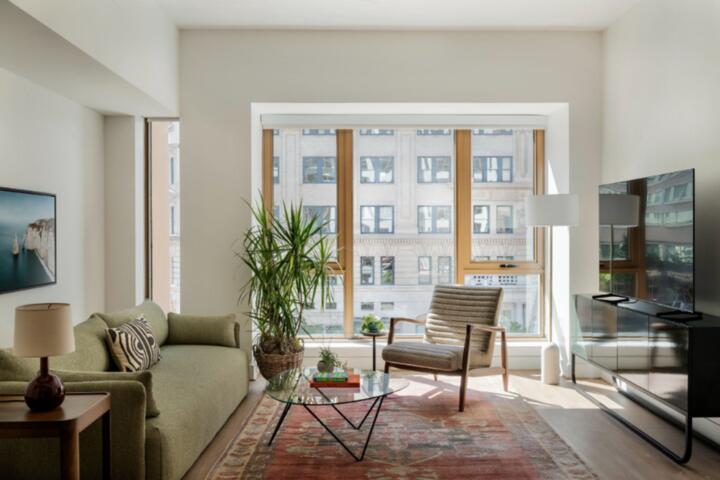
The concept of the aparthotel—a hybrid of an apartment and a hotel—has evolved from a niche real estate segment into a dominant force in the hospitality industry. Unlike a traditional hotel room, which averages 300 square feet and lacks functional zones, an aparthotel provides a defined kitchen, living area, and workspace. This isn't just about extra square footage; it is about psychological well-being and the ability to maintain a routine while away from home.
In practice, consider a consultant on a six-week project in London. In a hotel, they are forced to eat out for every meal, leading to "restaurant fatigue" and high expenses. In an aparthotel like Locke Hotels or Adina, they have a full induction hob and a designer workspace. Statistics from 2024 indicate that the extended-stay segment in Europe saw a 12% higher occupancy rate compared to traditional hotels, proving that travelers are voting for functionality over room service.
The market is shifting because the "lifestyle traveler" now prioritizes autonomy. Brands like Zoku have even redesigned the room layout, placing a large kitchen table at the center instead of the bed, acknowledging that for long-term guests, the room is an office and a social hub first, and a sleeping quarters second.
Costs of Classic Lodging
Many organizations and individuals make the mistake of booking standard hotels for 30+ day stays, failing to account for the "invisible" costs. The most significant pain point is the lack of nutritional control. Relying on hotel menus or takeout for a month can add $1,500 to $2,500 to a travel budget, not to mention the impact on physical health. Without a kitchen, the guest loses the agency to live a normal life.
Another critical issue is the "Airbnb Lottery." While private rentals offer kitchens, they often lack the infrastructure required for professional work. Unreliable Wi-Fi, poor ergonomics, and the absence of a 24/7 support desk can derail a business trip. If the boiler breaks in a private apartment at 10 PM, you are at the mercy of a host; in an aparthotel, the on-site maintenance team handles it immediately.
The psychological toll of "living out of a suitcase" in a confined hotel room leads to decreased productivity. Data suggests that guests in cramped environments experience higher cortisol levels after just seven days. The consequence for companies is a disengaged employee, and for individuals, a miserable relocation experience that feels like a temporary suspension of their real life rather than a continuation of it.
Serviced Stay Strategies
Prioritizing Zone-Based Living for Productivity
When selecting a long-term stay, look for "Zone-Based" floor plans. This means the sleeping area is visually or physically separated from the workspace. Brands like AKA or Roomzzz excel at this. Scientific studies on environmental psychology show that working and sleeping in the exact same spot disrupts sleep hygiene. A dedicated desk with an ergonomic chair is non-negotiable for stays over two weeks.
Leveraging Tiered Pricing Models
Aparthotels operate on a regressive pricing scale. Unlike hotels where the price is static, aparthotels often drop their nightly rate by 15% after 7 nights and up to 30-40% for stays exceeding 28 nights. When booking through platforms like TheSqua.re or SilverDoor, always ask for the "long-stay floor rate." This can bring the cost of a luxury apartment down to the price of a mid-range hotel room.
Assessing the "Digital Infrastructure" Quotient
For a long-term stay, 20 Mbps Wi-Fi is insufficient. Real expertise in choosing a property involves checking for hardwired Ethernet ports or dedicated mesh routers within the unit. Brands like CitizenM (in their larger suites) or Wojo integrate high-speed fiber as a core feature. Always verify if the property offers "Tech Support on Demand," which is a hallmark of premium aparthotel operators.
Evaluating Kitchen Functionality Beyond the Microwave
A true aparthotel must have a full-sized refrigerator, a dishwasher, and at least a two-ring hob. Modern travelers should look for properties that partner with grocery delivery services like Instacart or Ocado. Having a pre-stocked fridge upon arrival is a small investment that drastically reduces the "relocation shock" and allows the guest to start their routine from hour one.
Community Integration and Networking Hubs
Isolation is the enemy of the long-term traveler. Look for "Social Aparthotels" that offer co-working spaces and community events. The Social Hub (formerly The Student Hotel) is a prime example of this, providing gym access, TED-style talks, and networking mixers. This turns a lonely business trip into a localized experience, which is essential for mental health during extended periods away from family.
Real-World Success
Case Study 1: Tech Relocation in Berlin
A fintech company needed to relocate 15 developers from Brazil to Berlin for a three-month onboarding process. Initially, they considered a 4-star hotel. However, the projected cost for laundry and meals was astronomical. By switching to Wildes Aparthotels, the company saved 22% on the total budget ($45,000 saved over 90 days). More importantly, the developers reported a 40% higher satisfaction rate because they could cook their own meals and host small social gatherings, reducing homesickness.
Case Study 2: The Digital Nomad Project
An independent creative director spent two months in Singapore. Avoiding the $400/night luxury hotels, they opted for Ascott The Residence. By utilizing the long-stay discount and the on-site business center, they maintained a billable output of 45 hours per week—something nearly impossible in a standard hotel room with a small vanity desk. The result was a successful project delivery with 15% higher margins due to reduced overhead.
Accommodation Comparison
| Feature | Standard Hotel | Private Rental (Airbnb) | Modern Aparthotel |
|---|---|---|---|
| Average Space | 25-30 sqm | 40-70 sqm | 35-60 sqm |
| Cleaning Frequency | Daily | One-off/Weekly (Paid) | Weekly/Bi-weekly (Included) |
| Kitchen | Mini-bar only | Full kitchen | Full kitchenette |
| Reliability | High (Brand standards) | Variable (Host dependent) | High (Professional MGMT) |
| Corporate Billing | Standardized | Often difficult | VAT compliant/Professional |
Extended Stay Pitfalls
The most frequent error is ignoring the "Laundry Reality." Many travelers assume they can use hotel laundry services, only to find a $10 charge per shirt. For a 30-day stay, this is a financial disaster. Always ensure your aparthotel has an in-unit washer-dryer or a free communal laundry room. Properties like Staycity often provide these facilities as a standard, saving guests hundreds of dollars.
Another mistake is failing to check the "After-Hours" protocol. Some smaller "serviced apartments" are actually unstaffed buildings with key-code entries. While this sounds modern, losing your phone or a technical glitch at 2 AM can leave you stranded. Always prioritize "Hybrid" models—those that have a physical reception presence or 24/7 concierge, even if it's integrated with a digital app like Sonder.
Lastly, don't overlook the location's "Residential Infrastructure." A hotel is usually in a tourist or business district. For a long stay, you need a pharmacy, a grocery store, and a gym within a 5-minute walk. Use Google Maps to check the "Walk Score" of the property. If it’s surrounded by nothing but souvenir shops and high-end bistros, your daily life will be unnecessarily expensive and inconvenient.
FAQ
Are aparthotels more expensive than standard hotels?
For short stays (1-3 nights), they are comparable. However, for stays over 7 nights, aparthotels are significantly cheaper due to tiered pricing and the ability to save on food and laundry. The "total cost of stay" is almost always lower in an aparthotel.
Do I get Marriott Bonvoy or Hilton Honors points at aparthotels?
Yes, many major chains have aparthotel brands. Marriott Executive Apartments, Element, and Homewood Suites by Hilton allow you to earn and redeem points just like a regular hotel, making them ideal for loyalty-conscious business travelers.
Is the Wi-Fi stable enough for video conferencing?
Generally, yes. Professional aparthotel operators understand that their core demographic is the "working traveler." Unlike residential Wi-Fi which can be patchy, these properties usually invest in enterprise-grade managed Wi-Fi networks.
Can I receive mail and packages at an aparthotel?
This is one of the biggest advantages over private rentals. Aparthotels have a front desk or a secure mailroom that can accept Amazon deliveries or business documents, ensuring you don't have to wait around for a courier.
Are pets allowed in these properties?
The aparthotel sector is much more pet-friendly than traditional hotels. Brands like Staybridge Suites and Frasers Hospitality often have specific floors dedicated to guests traveling with animals, recognizing that pets are part of a long-term living arrangement.
Author’s Insight
Having spent over a decade analyzing hospitality trends, I have seen the "bleisure" (business + leisure) market transform from a buzzword into a structural shift in how we travel. My personal rule for any stay over five days is to never book a room without a kitchen. The ability to make my own coffee in the morning and not wait for a $30 breakfast buffet isn't just about money; it’s about maintaining my autonomy. I’ve found that the mental fatigue of travel is reduced by 50% when you have a door you can close between your "office" and your "bedroom," even if they are in the same suite. If you are planning a relocation or a long-term project, stop looking at the star rating and start looking at the floor plan.
Summary
The rise of the aparthotel represents a move toward a more human-centric way of traveling. By combining the safety and service of a hotel with the space and soul of a home, these properties offer a superior ROI for both companies and individuals. When booking your next long-term stay, prioritize zone-based layouts, verify the digital infrastructure, and leverage tiered pricing to secure a space that supports your lifestyle rather than just housing your luggage. Move away from the "visitor" mindset and embrace the "resident" experience—it is the most sustainable way to navigate a globalized world.