Food Festivals As Travel
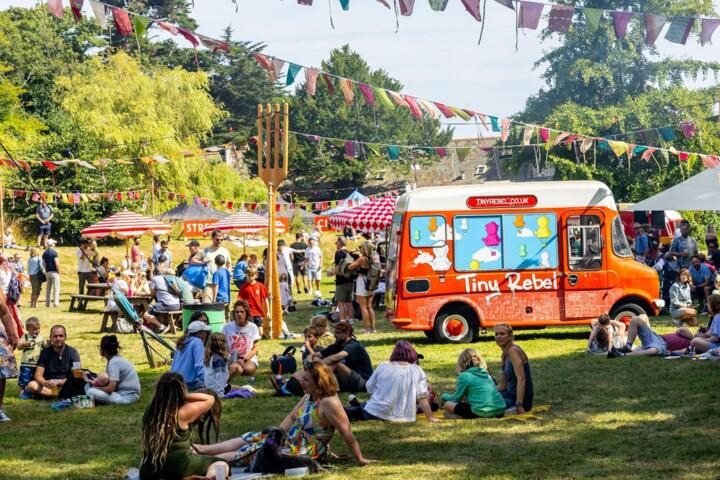
Food festivals are time-bound events where many vendors serve similar categories of food in one location. That concentration makes it easier to compare regional ingredients, cooking styles, and portion sizes without hopping between multiple restaurants. A beer and cider festival, for example, often pairs drinks with small bites, so you can observe how producers describe flavor profiles and how kitchens handle allergens across menu items.
Planning around a festival also changes your itinerary mechanics. You may build your day around queue times, vendor hours, and the festival’s peak periods, which can shift what you eat and how much you spend. On a personal aside: I’ve seen schedules posted with a “last serving” time that differs from the “doors close” time, and the difference matters when you’re trying to sample specific stalls.
From a health perspective, festivals can be a practical way to learn about food composition. You can read ingredient lists when vendors provide them, watch how foods are prepared, and notice whether menus include common allergen labels. Still, festival food safety depends on local rules, vendor training, and on-site conditions, so planning should include risk checks rather than assuming every stall follows the same standards.
Common Planning Mistakes
People often treat festivals like a single restaurant experience, then get surprised by variability between vendors. One stall may cook to order with separate utensils, while another may reheat batches, and those differences affect both taste and risk. Even within the same festival, the busiest hours can strain staffing, which can increase the chance of cross-contact for allergens.
Another mistake is ignoring dependencies that sit behind “festival food.” Food handling relies on refrigeration capacity, hot-holding temperatures, handwashing access, glove use, and waste management. If a festival uses temporary kitchens, the supply chain for ingredients and the availability of clean water for washing can become limiting factors. You can’t see all of that from the line, which is why asking targeted questions matters.
Many travelers also misread labels. “Gluten-free” signage may refer to one ingredient, not the full preparation process, and “contains” statements can be broader than people expect. If you rely on dietary restrictions, you need to ask about cross-contact practices, not just whether a dish includes a particular ingredient.
Finally, people underestimate how alcohol and heat interact with food. A festival day can include long walks, dehydration risk, and late meals, which can worsen stomach discomfort for some people. If you’re prone to reflux or food-triggered symptoms, you may need a slower sampling plan and earlier meal timing.
How To Plan Safely
Ask Vendor Questions Early
Start with questions that map to your risk. If you have allergies, ask whether the kitchen uses shared fryers, shared grills, or shared prep surfaces. Ask how they handle substitutions and whether they can change gloves and utensils between orders. If the vendor can’t answer clearly, choose a different stall; vague responses often mean the process isn’t documented for customers.
For general dietary needs, ask about key ingredients and cooking methods. “Is this sauce cooked with dairy?” and “Is the bread toasted on the same surface as wheat?” are more useful than “Is it healthy?” A small aside from festival logistics: some vendors run out of specific ingredients before the crowd peaks, so early questions also help you avoid disappointment.
Schedule Around Peak Hours
Plan your sampling window to reduce time pressure. Shorter lines usually mean more time for staff to answer questions and for kitchens to keep food at safe temperatures. Many festivals publish a schedule; if you see a “family hour” or early tasting session, it often runs with lower throughput than the evening rush.
Practical numbers help. If you aim for 6–10 tastings, allocate 2–3 hours total for food, then add a buffer for restrooms and hydration. For alcohol-focused events, many venues offer non-alcoholic options, but you still need water breaks; a common pattern is one glass of water between alcoholic servings, though your tolerance may differ.
If you track your day with a calendar app, set reminders for hydration and meal timing. I once planned a festival using Google Calendar version 2024.07 and realized the “event ends” time was 45 minutes earlier than the food service window; the reminder prevented a rushed last stop.
Budget With Realistic Costs
Festival pricing often uses tickets, tokens, or per-item pricing. Check whether tastings include tax and whether drinks are separate. A common budgeting approach is to estimate 1–2 “main” items plus several smaller samples, then add a contingency for lines and sold-out items.
Look for posted rules on refunds and re-entry. Some events sell wristbands that cover entry but not food, while others bundle a limited number of tastings. If you’re traveling with a group, confirm whether children’s pricing changes food access, since that affects total spending.
Also factor travel time. If the festival is in a dense area, rideshare wait times can spike after closing. Planning your departure route in advance reduces the chance you’ll grab late, convenience-only food from the nearest open place.
Use Simple Hygiene Checks
You can’t audit a kitchen, but you can observe conditions. Choose stalls where staff wash hands visibly, use clean utensils, and handle money without touching food. Watch whether foods are covered during service and whether hot items stay hot and cold items stay cold.
If you’re buying ready-to-eat items, avoid anything that looks like it has been sitting uncovered for a long time. If a vendor offers samples, ask whether the sample is prepared fresh for each person or portioned in advance. For high-risk groups—pregnant travelers, older adults, and people with weakened immune systems—these small choices matter more.
When in doubt, pick foods that are cooked thoroughly and served hot. Raw or undercooked items carry higher risk in any setting, and festivals add variables like crowd density and temporary equipment.
Case Examples For Decision-Making
Allergy-Aware Sampling Plan
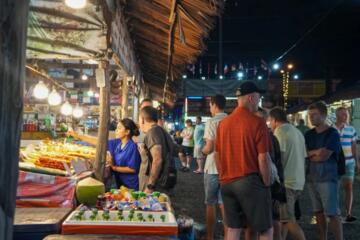
An anonymized traveler with a peanut allergy planned a two-hour visit to a regional street-food festival. They reviewed the festival website for vendor lists, then visited two stalls first to ask about shared fryers and cross-contact. They chose one dish that the vendor described as prepared on a dedicated surface and avoided sauces that could contain hidden allergens. During the day, they skipped “mystery” samples and kept a written note of the vendor’s answers in their phone. The traveler still enjoyed multiple items, but they limited the number of new foods to reduce the chance of an unexpected ingredient.
Budget And Timing Adjustment
A couple traveling for a harvest-themed food festival expected to spend on many small tastings. After arriving, they noticed long lines at the most popular stalls around 6:30 p.m., and they had a dinner reservation at 8:00 p.m. They shifted to a “two-stall strategy”: one savory tasting and one dessert tasting, then used the remaining time for demonstrations and a planned meal nearby. The couple spent less than their initial estimate and avoided the late, heavy food that often disrupts sleep after travel.
Festival Checklist And Tradeoffs
| Decision Area | What To Check | Why It Matters | Practical Choice |
|---|---|---|---|
| Allergens | Shared fryers, shared prep surfaces, glove/utensil changes | Cross-contact risk varies by vendor process | Ask early; skip stalls with unclear answers |
| Food Temperature | Hot holding, cold holding, covered service | Temperature control affects bacterial growth | Choose freshly served hot items |
| Queue Pressure | Staffing during peak times, time to answer questions | Busy periods can reduce careful handling | Sample earlier or later than peak |
| Budget | Ticket/tokens, drink separation, sold-out items | Festival pricing structures change total spend | Plan 2–3 “must-try” items plus smaller samples |
Common Mistakes To Avoid
Relying on signage alone is a frequent error. A label can be accurate for ingredients but incomplete for cross-contact, and temporary kitchens may change workflows during the day. If your needs are strict, treat vendor answers as part of the evidence, not the menu description.
Another mistake is sampling too many new foods in a short window. Even when food is handled safely, individual tolerance varies, and travel stress can amplify stomach discomfort. A slower pace gives you time to notice early symptoms and stop before a minor reaction becomes a full day problem.
People also forget that festival days often include alcohol, heat, and irregular meal timing. That combination can worsen dehydration and reflux, which can be mistaken for “food poisoning.” If symptoms are severe—persistent vomiting, fever, blood in stool, or signs of an allergic reaction—seek medical care rather than assuming it will pass.
Finally, avoid assuming every vendor follows the same rules. Festivals often include a mix of local businesses and temporary operators, and their equipment and staffing differ. Your best protection is choosing vendors that communicate clearly and handle food in a way you can observe.
FAQ
Are Food Festivals Safer Than Restaurants?
Safety depends on local regulations, vendor practices, and on-site conditions. Festivals concentrate many vendors in one place, which can increase variability, so you should use the same hygiene and allergen checks you would at any food venue.
How Can I Reduce Allergy Risk At A Festival?
Ask about cross-contact (shared fryers, surfaces, utensils) and substitutions before ordering. If answers are unclear, skip the dish. Carry any required medications and avoid “sample” items when you cannot confirm ingredients and preparation.
What Should I Eat If I Have A Sensitive Stomach?
Choose cooked, hot foods and smaller portions, and avoid very spicy or high-fat items on an empty stomach. Plan hydration breaks and keep your meal timing earlier in the day to reduce reflux and nausea risk.
Do Festivals Provide Allergen Information?
Some do, often through signage or vendor statements, but coverage varies by event and location. Treat vendor answers as the primary source and confirm ingredients for each dish, not just the general menu category.
When Is The Best Time To Go For Food Sampling?
Earlier or later than the peak crowd often reduces queue pressure and gives staff more time to answer questions. If you have strict dietary needs, prioritize times when the vendor is less rushed.
Author's Insight
Food festivals can be a practical way to learn about regional cuisine because you can compare multiple vendors and preparation styles in one visit. The health angle comes from variability: cross-contact risk and temperature control differ by stall and by crowd pressure. Planning around a festival works best when you treat vendor communication, food temperature cues, and your own tolerance as part of the itinerary. If you have allergies or medical risk factors, plan for fewer, better-confirmed items rather than trying to sample everything.
Key Takeaways
- Use festival concentration to compare foods, but expect vendor-to-vendor differences in handling and allergen practices.
- Ask targeted questions about cross-contact and substitutions; skip stalls that cannot answer clearly.
- Schedule tastings to reduce queue pressure, and keep portions smaller if your stomach is sensitive.
- Budget for ticket structures and drinks separately, and plan departure time to avoid last-minute convenience food.