Free Attractions, Real Value
Free attractions are places you can visit without a ticket fee, such as public parks, viewpoints, self-guided historic districts, outdoor markets, and many city museums on specific days. They tend to work well because you can control your pace, spend money only on what you actually use, and adjust plans when weather or crowds change.
Paid attractions often bundle convenience, interpretation, or timed entry. Free options can still deliver those benefits, just with different trade-offs: you may rely on signage instead of a guide, or you may need to plan around opening hours that vary by season. A free walking route through an old town can be more informative than a paid “skip-the-line” tour when you already enjoy reading plaques and observing street life.
In many destinations, free attractions also help you sample a place before committing to paid experiences. You can test whether a neighborhood’s vibe matches your interests, then decide later if a guided tour, workshop, or ticketed exhibit fits your goals.
What People Get Wrong
Travelers often treat “free” as a synonym for “low quality,” which leads to missed opportunities. Quality varies by venue, not by price. A free public garden can be meticulously maintained, while a paid attraction can feel repetitive if it targets mass audiences.
Another common mistake is ignoring dependencies that shape the experience. A free museum might be open only on certain days, a viewpoint might be accessible only during daylight hours, and a cultural event might require registration even when entry is free. These details depend on local staffing, seasonal schedules, and crowd management policies.
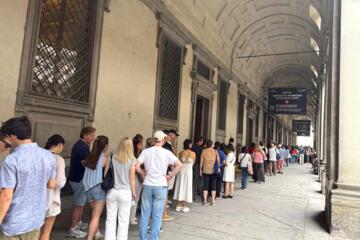
People also underestimate how crowd patterns affect value. A free attraction can feel worse than a paid one when it concentrates visitors at the same time. If you arrive at 11:30 a.m. on a weekend, you may spend more time waiting for space than seeing the site.
Finally, travelers sometimes assume that “free” means “no rules.” Many free attractions have restrictions on photography, entry routes, noise levels, or accessibility. In some cities, historic sites require timed entry even when the ticket price is zero, and the reservation system can be the real gate.
How To Choose Better
Check Hours, Access, And Rules
Start with the venue’s official opening hours and access conditions. Look for notes about last entry, seasonal closures, and whether the site is open year-round. If a free attraction is outdoors, confirm whether it closes during storms or at dusk.
For rules, scan for photography limits, dress expectations, and accessibility routes. Many places post these details on their city or institution pages, and the wording can be specific. I’ve seen schedules change mid-season (for example, a “winter hours” update posted around January 2024), and the only reliable source was the official site.
Practical outcome: you reduce the chance of arriving when entry is blocked, and you avoid spending time on detours that don’t work.
Plan Around Crowds And Timing
Free attractions often have predictable crowd peaks. Use local transit schedules and neighborhood foot-traffic patterns to choose arrival times. Weekday mornings and late afternoons frequently feel calmer for walking routes, markets, and viewpoints.
When a site is free but popular, timed entry can still exist. If you see a reservation link or a “capacity” notice, treat it like a ticket. Tools like Google Maps can show “popular times,” but it’s not perfect; it can lag behind real conditions, and it rarely works the way the docs say.
Practical outcome: you spend more time observing and less time waiting for space to move.
Match Attractions To Your Interests
Free options shine when they align with how you like to travel. If you enjoy architecture, prioritize historic districts, public squares, and riverside promenades. If you like learning, choose free museums with strong collections or free guided talks that run on a schedule.
Use a simple filter: “What will I do there for 60–90 minutes?” A free viewpoint that offers a short loop and good signage can outperform a paid exhibit that requires a long queue and a fixed route.
Practical outcome: you avoid paying for experiences that don’t match your attention style.
Budget For The Hidden Costs
Even free attractions can create costs: transit fares, local taxes on nearby purchases, paid restrooms, or mandatory reservations. If you plan to visit multiple free sites in one area, group them by walking distance to reduce transport spending.
Also check whether “free” covers the main area only. Some venues offer free entry to the grounds but charge for special exhibitions, audio guides, or temporary installations. A quick scan of the site’s “what’s included” section prevents surprises.
Practical outcome: you keep the trip budget predictable while still enjoying high-quality experiences.
Case Examples From Real Planning
Historic District Walk With A Museum Stop
An anonymized traveler planned a two-day city visit. Day one focused on a free historic district walk with self-guided plaques and a public riverside path. They checked the museum’s official page and found free entry hours on weekdays, then scheduled the museum for the late afternoon when the district was quieter.
They still spent money on a single paid activity: a short guided tour that explained context for the neighborhood’s industrial history. The free walk helped them decide what to ask during the paid session, so the paid time felt targeted rather than generic.
Outcome: the traveler used free attractions to build understanding, then paid only for interpretation where it mattered to them.
Free Market Morning, Paid Evening Transit
Another anonymized scenario involved a traveler who wanted local food culture without a heavy tour budget. They chose a free morning market and paired it with a free public park for a rest break. They checked vendor hours and arrived early, then used the park’s walking paths to reach a nearby viewpoint.
For the evening, they chose a paid food experience because it included a set menu and a guide who explained regional ingredients. The traveler avoided paying for a full-day tour by keeping the morning flexible and letting the market choices shape the rest of the day.
Outcome: free attractions reduced decision fatigue, while the paid option handled the parts that required structured information.
Decision Checklist For Free
| Factor | Free Attraction | Paid Attraction | What To Check |
|---|---|---|---|
| Time rules | May depend on days, seasons, or daylight | Often fixed entry windows | Official hours and last entry |
| Interpretation | Signage, self-guided materials | Guides, audio, curated route | What you’ll learn without a guide |
| Queues | Can be crowded at peak times | May reduce waiting with timed entry | Arrival time and capacity limits |
| Hidden costs | Transit, reservations, nearby purchases | Ticket price plus add-ons | What’s included in the ticket |
Use this step-by-step checklist before you commit to a free attraction: confirm hours and access rules, estimate travel time from your current location, choose a low-crowd arrival window, and identify what you will do there for a set time block. If the plan depends on a reservation, treat it as a scheduling task rather than a “free” perk.
Common Mistakes To Avoid
One mistake is building an itinerary around only free attractions without checking travel time. A free museum across town can cost more in transit than a nearby paid option, especially when you add multiple transfers.
Another mistake is assuming that “free” means “no booking.” Some free attractions require timed entry, and some city-run events require registration. If you skip this step, you may arrive to a closed gate or a full capacity line.
People also overpack their day. Free attractions tempt travelers to schedule too many stops, which increases walking fatigue and reduces attention. A calmer plan often produces better memories than a packed one.
Finally, travelers sometimes ignore accessibility needs. If you rely on elevators, step-free routes, or specific entrances, verify them early. A free site with poor accessibility can become frustrating quickly, and the frustration is part of the real cost.
FAQ
Are Free Attractions Always Better Value?
Not automatically. Free attractions can be high value when they match your interests and timing, but paid options may reduce queues or offer interpretation that you would otherwise miss.
Do Free Museums Require Reservations?
Some do, especially when capacity is limited or entry is scheduled by time slots. Check the museum’s official site for “timed entry” or “reservation” notes even if the ticket price is zero.
How Can I Avoid Crowds at Free Sites?
Arrive on weekdays or outside peak hours, and verify whether the site uses timed entry. If you rely on crowd estimates from maps, treat them as rough guidance rather than a guarantee.
What Hidden Costs Should I Expect?
Transit, booking fees for reservations, paid audio guides, and purchases near the attraction can add up. Also check whether free entry covers only certain areas or excludes special exhibitions.
Is It Safe To Rely On Social Media For Free Info?
Social posts can be outdated. Use official venue pages, city tourism sites, or posted signage as the primary source, then treat third-party posts as secondary context.
Author's Insight
Free attractions often work well because they shift decision-making from “buy first” to “choose after you arrive,” which fits how many travelers actually experience a place. The trade-off usually involves interpretation, scheduling, or crowd management rather than quality itself. A careful plan checks official hours, access rules, and whether capacity limits exist. When you treat “free” as a set of constraints you can verify, you get better outcomes with less spending.
Key Takeaways
- Price does not predict quality; rules, timing, and crowd patterns do.
- Verify hours and access conditions for free attractions, including any reservation requirements.
- Group stops by walking distance to avoid transit costs that erase the savings.
- Use free sites to explore broadly, then pay for guided interpretation when it adds clarity.