Day Trips And Travel Time
A day trip earns its place when the experience you came for survives the friction of getting there. That friction includes driving or transit time, parking or boarding delays, walking between stops, meal timing, and the mental load of switching locations. If you treat travel time as “dead time,” you miss the part that often determines whether you feel good at the destination or exhausted before you arrive.
Start with a simple reality check: most day trips contain at least two time costs beyond the map estimate. One is variability—traffic waves, platform changes, border or toll processing, and weather. The other is “transition time,” the minutes spent parking, finding a restroom, buying a ticket, and getting oriented. When those two costs are larger than your buffer, the day stops feeling like a trip and starts feeling like a commute with a view.
For example, a 90-minute drive can become a 2.5-hour door-to-door trip if parking is scarce and you arrive during a peak arrival window. A 45-minute train ride can become a longer day if you need to transfer, walk across a station, and still reach a timed entry. Even when the destination is close, the day can fail if you schedule activities back-to-back without a recovery gap.
Common Planning Mistakes
People often plan around a single number from a navigation app and ignore how that number behaves under real conditions. Map times usually assume steady speeds and minimal stops. They rarely model the time you spend searching for parking, waiting for a bus that runs late, or walking from a drop-off point to the actual entrance.
Another frequent error is mixing “activity time” with “energy time.” A museum visit, a hike, or a guided tour has a duration, but it also has a physical and cognitive load. If you schedule a long walk immediately after a long drive, you may feel fine for the first 20 minutes and then hit fatigue that reduces enjoyment and increases the chance of minor injuries like slips or overexertion.
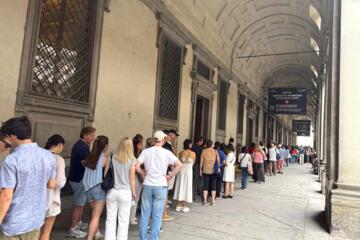
Supporting dependencies often get overlooked. Transit trips depend on transfer reliability and service frequency; driving trips depend on toll roads, construction zones, and parking turnover; both depend on weather and daylight. If your plan relies on timed entry, the reservation window becomes a hard constraint, and missing it can force a costly reschedule or a shorter visit than you intended.
There’s also a health-adjacent planning issue: dehydration and irregular meals. Long gaps between meals can lead to headaches, low energy, and irritability, which then makes the destination feel less rewarding. A day trip that looks “short” on paper can still disrupt sleep timing if you return late enough to affect your evening routine.
How To Judge Worth It
Use a door-to-door estimate and then add buffers that match your travel mode. For driving, include parking search and a realistic chance of slowing traffic; for transit, include transfer walking and a late-arrival margin. A practical approach is to plan as if the trip takes 1.2 to 1.5 times the map time when you’re traveling during commuting hours, and closer to 1.1 times when you’re traveling off-peak with known parking.
Then check the day’s structure. A day trip works when you can protect at least one recovery block—time to eat, sit, and reset—without cutting the main activity short. If your itinerary has no breathing room, the day often becomes a sequence of “just one more stop,” which raises stress and reduces the chance you’ll notice what you came for.
Finally, match the destination to your tolerance for movement. If you know you feel better with frequent breaks, choose destinations with seating, restrooms, and short walking loops. If you prefer active days, schedule the most demanding activity earlier, when you still have energy, and keep the return plan flexible enough to avoid rushing.
Build A Time Budget With Buffers
Write down four numbers: outbound travel, inbound travel, main activity time, and buffer time. Buffer time covers parking or boarding delays, restroom stops, and the “lost minutes” that happen when you arrive and realize you need to buy a ticket or find the correct entrance. A reasonable starting point is 20–30 minutes total buffer for a simple driving trip with known parking, and 45–75 minutes when parking is uncertain or you’re using timed entry.
As a small aside, I’ve seen people plan “arrive at 10:00, start at 10:00” and then discover the entrance is 10 minutes away on foot plus another 10 minutes for a line. That mismatch shows up as stress, not just delay. If you’re using a navigation app, check the route’s “arrive by” behavior for the day of week you plan to travel; version 2024.x builds sometimes change traffic weighting, and the difference can matter when you’re close to a timed slot.
Match Meals And Hydration To The Schedule
Plan meals around your travel rhythm rather than around a fixed clock. If you’ll be in transit for 2 hours, aim for a snack before departure and a planned meal within a predictable window after arrival. For many people, a 3–4 hour gap without food can trigger low energy, especially when the day includes walking or stairs.
Carry water and a small snack you can eat without searching for a shop. If the destination has limited food options, the “worth it” calculation changes because you may spend 30–60 minutes waiting in line or walking to find something. This is one of those frictions that doesn’t show up in travel time estimates but strongly affects how the day feels.
Choose A Destination With A Recovery Plan
Pick a destination that supports the kind of recovery you need. If you’re returning the same day, schedule the most physically demanding segment earlier and keep the last segment lighter. For example, a morning hike followed by an afternoon café stop often feels better than a late-day hike followed by a rushed drive home.
Accessibility matters even for people who don’t use mobility aids. Restrooms, step-free routes, and seating availability reduce fatigue and prevent minor problems from becoming bigger ones. If the destination is outdoors, check weather and wind exposure; a windy coastal walk can feel longer than the distance suggests.
Use Tools To Stress-Test The Itinerary
Use at least two sources for travel time and one source for on-site constraints. For travel, compare a route planner with live traffic and a transit schedule that shows service frequency and transfer times. For on-site constraints, check opening hours, timed entry rules, and last admission times. If you rely on a single source, you can miss a hard cutoff that turns a “short delay” into a missed activity.
A practical method is to run a “what if” scenario: assume the outbound trip runs 20 minutes late, parking takes 15 minutes longer than expected, and the first activity starts 10 minutes after your target. If the plan still leaves a recovery block and a reasonable return buffer, the day trip has a good chance of feeling worth it.
Case Examples For Realistic Planning
Example 1: Museum With Timed Entry
A couple plans a museum visit 70 minutes away by car. They reserve a 11:00 entry, schedule a 9:30 departure, and assume parking will be quick. On the day, they spend 25 minutes finding parking and another 10 minutes walking to the entrance. Their buffer shrinks, but they still reach the museum by 11:10 and can enjoy the main galleries. The trip feels worth it because they planned a café stop inside the museum and kept the return departure flexible by 30 minutes.
Example 2: Coastal Walk With Limited Food
A solo traveler chooses a coastal town 90 minutes away by train plus a 15-minute walk. They plan a morning walk and a late lunch, but they do not check restaurant hours. When they arrive, many cafés open later than expected, and the closest option has a long line. The traveler ends up eating quickly and rushing the return, which reduces enjoyment and increases fatigue. The day trip becomes less worth it because the plan lacked a meal fallback and had no seating or restroom plan for the return segment.
Decision Checklist And Table
Use the checklist below to decide whether the day trip matches your time and energy. If multiple items fail, the trip may still work, but you’ll likely need a shorter itinerary or a different departure time.
| Decision Factor | What To Check | Healthy Sign | Red Flag |
|---|---|---|---|
| Door-to-door time | Outbound + inbound + parking/transfer | You can protect a recovery block | No buffer before timed entry or return |
| Meal timing | Snack plan + meal fallback | Food options exist within 30–60 minutes | Long gaps without food or restroom access |
| Activity load | Walking, stairs, heat exposure | Demand is earlier; lighter return | Hard activity late with a rushed drive |
| Weather and daylight | Rain, wind, and closing times | Indoor fallback exists | Outdoor plan only with no alternative |
- Estimate door-to-door travel time for the exact day of week.
- Add buffer time for parking/transfer and at least one restroom stop.
- Schedule one recovery block with food and seating.
- Check timed entry rules and last admission times.
- Plan a meal fallback if your first choice is closed or crowded.
- Run a “20-minute late” scenario and confirm you still return without stress.
Common Mistakes That Break The Day
One mistake is treating the itinerary as fixed when the travel portion is variable. If you plan a timed entry and a second timed event with no buffer, a small delay can cascade into a missed activity and a shorter day than you expected.
Another mistake is ignoring parking and station access. A destination can be “close” on a map while the actual entrance is across a parking structure, behind a gate, or down a long walkway. That extra walking time can matter when you’re already tired from travel.
People also underestimate how quickly fatigue accumulates. A long drive followed by a long walk can increase the chance of minor strains, especially if you skip a warm-up and hydration. If you feel tense or stiff, a 10-minute pause with gentle movement often prevents the day from turning into discomfort.
Finally, some travelers forget that return time affects sleep and next-day functioning. A late return can disrupt your evening routine and reduce recovery, which makes the trip feel less worth it even if the destination was enjoyable.
FAQ
How much buffer time should I add?
For a simple trip with known parking, 20–30 minutes often covers the most common delays. For uncertain parking, timed entry, or transfers, 45–75 minutes reduces the chance that one delay ruins the schedule.
What travel time estimate should I trust?
Use door-to-door time, not just the map’s driving or transit duration. Compare at least two sources when possible, and include transfer walking and boarding variability for transit.
How do I plan meals on a day trip?
Plan a snack before departure and a meal window after arrival. Add a fallback option if restaurants open late or have long lines, and carry water to avoid dehydration during walking.
When does a day trip stop being worth it?
When you cannot protect a recovery block, when timed entry leaves no margin for delays, or when the itinerary forces hard activity late in the day with a rushed return.
How can I reduce fatigue during the trip?
Schedule the most demanding activity earlier, build in short breaks, and keep the return lighter. If you’re walking, choose routes with seating and restrooms, and avoid stacking long segments back-to-back.
Author's Insight
Day-trip planning works best when it treats travel time as a variable system rather than a single number. Door-to-door estimates, buffers for parking or transfers, and a protected recovery block predict how the day will feel more reliably than the distance alone.
Health-adjacent factors like meal timing, hydration, and fatigue management often determine whether the destination feels rewarding. A plan that includes a meal fallback and a lighter return segment reduces stress and lowers the chance of minor discomfort turning into a bad experience.
When you plan around timed entry, the schedule needs margin because missed windows rarely recover cleanly. Running a “20-minute late” scenario catches fragile plans before you leave home.
Key Takeaways
A day trip is worth the travel time when your plan protects recovery, meals, and buffer against variability.
Use door-to-door time with realistic parking or transfer delays, then schedule the main activity with margin for timed entry.
Choose destinations that match your energy profile, and keep the hardest activity earlier to avoid late-day fatigue.
Test the itinerary with a simple delay scenario so one disruption does not collapse the whole day.