Purpose of Timed Tickets
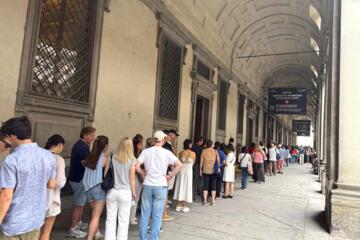
Timed tickets assign visitors a specific entry slot at an attraction. Museums like the Louvre require them to manage over 30,000 daily visitors, reducing long wait lines. Theme parks also increasingly use them—for example, Disney began timed entry for Star Wars: Rise of the Resistance in 2019 due to overwhelming demand. This system shifts crowds across the day, making the experience less chaotic and more predictable.
The approach also supports public safety protocols. During the 2020 reopening phase after COVID-19 closures, many sites mandated timed tickets to limit visitor numbers per hour. This pacing helps control density in confined spaces.
Attendance data shows a 20-40% increase in customer satisfaction when timed tickets replace open-admission, mostly due to shorter waits and less crowding.
Common Issues Without Control
People often assume tickets alone solve congestion, without realizing that uncontrolled entry can make lines stretch beyond the venue. This causes safety hazards and damages surrounding areas. For instance, the Tower of London drew crowds well above capacity, creating bottlenecks for security checks and limiting fire escape access.
Another misconception is that timed tickets reduce flexibility—some visitors want to roam spontaneously. However, no guidance ends up wasting hours standing idle or leaving after early peak periods. A packed venue leads to rushed visits, diminishing engagement.
Unmanaged peaks also stress staff and facilities. Long waits lead to visitor complaints and lost revenue opportunities when ticket holders abandon plans.
Effective Strategies with Timing
Create Entry Slots
Divide operating hours into brief windows, typically 15 or 30 minutes. Slots limit how many guests can start simultaneously. New York’s MET Museum uses 30-minute intervals, setting a fixed visitor cap per window. This balances flows and avoids surges.
Online Advance Booking
Require pre-purchased tickets via websites or mobile apps. This controls attendance before arrival. The Smithsonian charges no booking fees but records slot details to pace crowds. It reduces no-shows and group overload.
Batch Entry for Groups
Allocate separate timings for school trips or guided tours. This prevents mixing large groups with general admission that overwhelms common areas. The British Museum schedules school groups early mornings.
Real-Time Capacity Updates
Provide live info on how many tickets remain per slot. Visitors can select less busy times. The Getty Museum app displays remaining tickets per entry hour, smoothing demand spikes, and incidentally cutting server overload.
Staff Training for Flow Control
Teach employees to politely manage arrivals and encourage punctuality. Staff positions at entrances monitor crowds and hold early arrivals just outside to prevent bottlenecks indoors.
Flexible Booking Policies
Offer easy rescheduling or refund options. This avoids last-minute crowd pressure from no-shows or unexpected cancellations, which skew visitor distribution unpredictably.
On-Site Time Verification
Use barcode scanners or RFID systems to verify entry during assigned periods. The Guggenheim Museum employs barcode checks aligned with ticket times, ensuring compliance.
Adjust Ticket Volume by Season
Alter slot availability according to peak and low seasons. The Sydney Opera House increases hour-by-hour capacity in summer, reducing it sharply in winter to match visitor trends.
Allocate Special Access Periods
Create early or late entry options at reduced cost or special admission levels. This helps disperse attendance outside main bulk hours, easing pressure.
Real Examples with Results
The National Gallery in London shifted to timed tickets in 2018 after years of congestion issues during blockbuster exhibitions. Previously, visitors faced waits exceeding 90 minutes. Post-implementation, average wait dropped to under 20 minutes, and time-slot adherence held above 85%. Visitor satisfaction surveys improved by 15% within six months.
Another case is Universal Studios Orlando, which introduced virtual queueing with set time windows for popular rides. This eliminated physical lines, boosted guest satisfaction, and increased ride throughput by 30% during peak days in summer 2022.
Decision Checklist for Timing
| Factor | Use Cases | Pros | Cons |
|---|---|---|---|
| Capacity Limits | Museums, Monuments | Crowd control, Better experience | Less spontaneity |
| High Demand Rides | Theme Parks | Increased throughput, Reduced physical lines | Tech dependency, App learning curve |
| Safety Regulations | Historic Sites, Buildings | Emergency access, Compliance | Less visitor freedom |
| Event Management | Concerts, Festivals | Orderly entry, Revenue accuracy | Potential no-shows, Cancellations |
Errors and Fixes
Failing to clearly communicate time windows causes visitor frustration and missed slots. Post signs, send SMS reminders, and confirm booking details.
Another mistake occurs when entry times overlap heavily at common choke points. Careful analysis of site layout and crowd modeling reduces this. Staff rotation schedules must adapt too — managers sometimes overlook how constant monitoring affects service quality.
Ignoring last-minute cancellations bloats entry groups beyond intended limits. Offering easy rescheduling softens this impact and smooths visitor flow.
Partially enforced timing, when guests sneak into other slots, ruins the concept’s balance and annoys punctual visitors.
FAQ
What happens if I miss my time slot?
Most timed ticket venues allow a short grace period, often 15 minutes. Beyond that, entry may be denied or delayed until a less crowded slot opens. Policies vary, so check the fine print before arrival.
Are timed tickets more expensive?
Pricing usually stays similar but some places offer discounts during less busy times. The convenience and reduced waiting can outweigh any pricing differences.
Can I change my timed ticket after purchase?
Many venues permit date/time changes if notified in advance, often via online portals. Fees or limits may apply depending on the ticket policy.
Do all attractions require timed entry?
No. Smaller sites or outdoor parks typically do not due to natural capacity. Timed tickets suit enclosed or limited-space locations where managing flow affects safety and quality.
How far in advance should I book timed tickets?
High-demand attractions recommend booking weeks ahead. Popular slots can sell out quickly, especially during holidays or big exhibitions.
Author's Insight
From personal experience working with museums and theme parks, timed tickets reduce stress and lines dramatically. Yet, the system has drawbacks when inflexible or poorly communicated. In 2023, I saw a historical site struggle with no-show enforcement, creating chaos despite tech upgrades. Luck matters if people respect time slots; otherwise, you fight crowds anyway. Constant staff training and clear visitor info remain the best tools to improve timing systems.
Final Thoughts
Timed tickets cover crowd management, safety, and visitor satisfaction by spacing arrivals. They bring order to overload situations and protect fragile environments. Careful slot design, online booking tools, and user-friendly policies complete the picture. Attractions gain by balancing demand versus capacity. Visitors enjoy less waiting and a calmer visit.