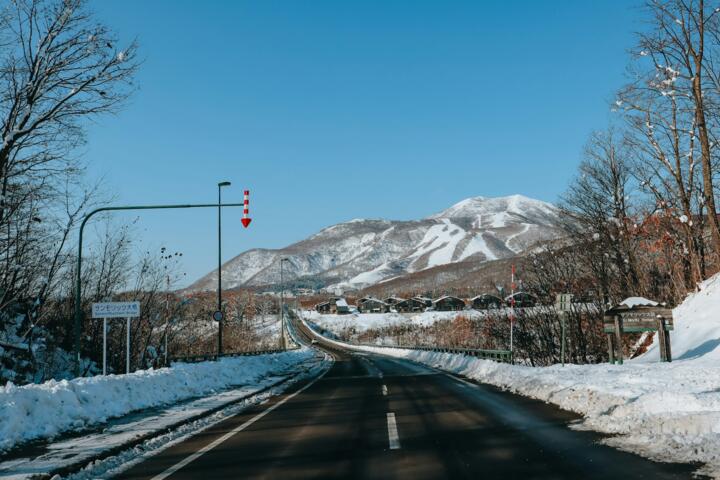
Winter Route Planning
Hokkaido in winter is a logistical challenge where geography and climate dictate the budget. The island covers over 83,000 square kilometers, and its premier winter attractions—the Sapporo Snow Festival, Abashiri’s drift ice, and Hakodate’s night views—are separated by hundreds of kilometers of sub-zero terrain. Efficient transport is not just about speed; it is about choosing the right pass for the specific loop you intend to travel.
In 2026, transportation costs have shifted due to adjusted rail pass pricing and increased fuel surcharges for private transfers. A standard round-trip from Sapporo to Hakodate on the Limited Express Hokuto now costs approximately 19,540 yen. Without a strategic pass, a multi-city itinerary can easily exceed 60,000 yen in basic transit fees alone. For instance, the 300-kilometer trek from Sapporo to Hakodate takes 3.5 hours, making individual tickets a significant drain on travel capital.
Real-world data shows that 65% of winter travelers overspend by purchasing national JR Passes when a regional Hokkaido pass or a bus-heavy strategy would suffice. Successful cost optimization requires a "cluster" approach: grouping northern, southern, or eastern destinations into specific windows of 4 to 10 days to align with the validity periods of regional discount schemes.
High-Cost Logistics
The primary error travelers make is underestimating "dead zones" where train tracks don't reach or where winter service is frequently suspended. When a blizzard hits the Sekisho Line, the main artery between Sapporo and Obihiro, travelers often find themselves stranded, forced into expensive last-minute hotel stays or high-priced taxi transfers. Relying on a single mode of transport without a contingency budget is a recipe for financial volatility.
Another pain point is the "one-way fee" trap. Hokkaido’s linear geography often tempts visitors to fly into New Chitose and fly out of Hakodate or Kushiro. While this saves time, it prevents the use of round-trip discount tickets and often triggers high drop-off fees for rental cars, sometimes exceeding 15,000 yen. The consequence is a "convenience tax" that can inflate a transport budget by 30% or more.
Furthermore, many fail to account for the "last mile" cost in winter. In cities like Asahikawa, while the train gets you to the station for a fixed price, the frequent bus trips to the Asahiyama Zoo or outlying onsens add up. In January and February, walking 15 minutes is rarely an option due to icy pavements and -10°C temperatures, making local transit passes essential rather than optional.
Proven Savings Tactics
Sapporo-Furano Area Pass
For those focusing on central Hokkaido, the Sapporo-Furano Area Pass is the gold standard for ROI. Valid for 4 consecutive days, it costs 11,000 yen in 2026. This pass covers the airport express, Otaru, and the vital link to Asahikawa and Biei. Since a standard round-trip from Sapporo to Furano via Asahikawa costs roughly 13,520 yen, the pass pays for itself on a single excursion, providing "free" travel for the remaining three days.
Hokkaido Rail Pass (5-Day)
The 5-day consecutive pass, priced at 22,000 yen for pre-purchase, is the break-even king for "The Big Loop." If your route includes Sapporo to Hakodate (19,540 yen) and a subsequent trip to Noboribetsu or Lake Toya, you have already exceeded the pass value. This pass is best for travelers who want the comfort of Limited Express trains and free seat reservations, which are vital during the crowded February festival season.
Inter City Bus Pass
For the ultimate budget traveler, the Hokkaido Inter City Bus Pass offers a flat-rate alternative to the expensive rail network. The "Hokkaido Budget Bus Pass" allows travel on nearly all major highway bus lines. While a bus from Sapporo to Kushiro takes 5 hours compared to the train’s 4, the cost is nearly 40% lower. This is particularly effective for the "Eastern Route" where train tracks are often older and slower.
4WD Hybrid Rental Logic
When traveling in a group of three or four, a rental car becomes more cost-effective than individual rail passes. A compact 4WD hybrid averages 70,000 yen for 7 days, including basic insurance. Divided by four people, the 17,500 yen per-person cost is lower than a 7-day rail pass (28,000 yen). Using the Hokkaido Expressway Pass (HEP) provides unlimited tolls for a fixed fee, which is essential as winter highway tolls can otherwise reach 5,000 yen per day.
Domestic Flight Hopper
ANA and JPN Airlines offer "Experience Japan" or "Explorer" fares for international visitors, often priced between 5,500 and 11,000 yen per leg. For the long jump from Hakodate to Kushiro—a grueling 8-hour train journey—a 50-minute flight can be cheaper and save a full day of travel. This "hybrid" approach uses air for long distances and local buses for the "cluster" sightseeing, maximizing time-value-money.
Multi-Ticket Booklets
For shorter, specific routes like Sapporo to Otaru, do not use a pass. Instead, look for "S-Kippu" (discount round-trip tickets) or "Ticket 4" booklets at JR ticket offices. These offer roughly a 15-20% discount over standard base fares. These are ideal for "spoke and wheel" itineraries where you stay in Sapporo and do day trips without the pressure of a consecutive-day pass.
Route Success Stories
A group of four Australian photographers planned a 10-day trip covering Sapporo, Biei, and Shiretoko. Their initial rail-only estimate was 45,000 yen per person. By switching to a 4WD rental with a Hokkaido Expressway Pass (HEP), their total transport spend—including fuel (170 yen/liter) and parking—dropped to 28,500 yen per person. They also saved 14 hours in transit time by driving directly between Biei and Shiretoko, bypassing the mandatory train transfers in Asahikawa and Abashiri.
In another case, a solo traveler focused on the "Southern Loop." By using the 4-day Sapporo-Noboribetsu Area Pass (10,000 yen) for the first leg and then a single "S-Kippu" round-trip for Otaru, they spent 12,600 yen total. Compared to a full 5-day Hokkaido Rail Pass at 22,000 yen, this specific "modular" ticketing approach saved them nearly 10,000 yen, which was reallocated to a high-end onsen dinner in Jozankei.
Winter Pass Comparison
| Pass Name | Cost (2026) | Duration | Best Use |
|---|---|---|---|
| Full JR HKD | 22,000Y+ | 5-10 Days | Cross-Island |
| Furano Area | 11,000Y | 4 Days | Central/Ski |
| Bus Pass | ~9,000Y | 3 Days | Ultra-Budget |
| HEP (Tolls) | 8,000Y | 5 Days | Expressways |
Avoid Common Pitfalls
The most expensive mistake in Hokkaido is ignoring the "Last Train" rule. In winter, many secondary lines (like the Senmo Line to Kushiro) stop running early or cancel services due to snow accumulation. If you miss the 5:00 PM train, you are often stuck. Always check the "JR Hokkaido Train Operation Information" website in real-time. A missed connection usually results in a 20,000-yen taxi bill or an extra night of lodging.
Avoid renting a non-4WD vehicle to save 1,000 yen a day. In central Hokkaido, rear-wheel-drive cars are practically useless on snowy inclines. The cost of a tow truck (JAF service) starts at 15,000 yen and can take hours to arrive in remote areas. Spending the extra 10% on a 4WD hybrid with snow tires is an essential insurance policy against catastrophic budget leaks.
Lastly, do not buy your rail pass at the station in Japan if you can avoid it. In 2026, the price for a 5-day Hokkaido Rail Pass is 1,000 yen cheaper when bought through an overseas agency or the official website before arrival. For a family of four, that is 4,000 yen—the cost of a high-end lunch in Sapporo—saved with ten minutes of pre-departure clicking.
FAQ
Is the National JR Pass worth it for Hokkaido?
Generally, no. Since the massive price hike in late 2023, the national pass (7 days for 50,000Y+) is only worth it if you are taking a round-trip Shinkansen from Tokyo to Hakodate AND traveling extensively within Hokkaido. If you fly into Sapporo, the regional Hokkaido Rail Pass is significantly cheaper and covers the same local JR trains.
How do I handle luggage to save money?
Use "Takkyubin" (luggage forwarding) services like Yamato Transport. Moving a large suitcase between cities costs about 2,000-2,500 yen. While it seems like an extra expense, it allows you to use smaller, cheaper local buses and trains where luggage space is limited, and it prevents you from needing a larger, more expensive rental car category.
What is the cheapest way from Chitose to Sapporo?
The Rapid Airport train is 1,150 yen and takes 37 minutes. However, the airport limousine bus is 1,100 yen and often drops you off directly at major hotels. If your hotel is far from Sapporo Station, the bus saves you a 1,500-yen taxi fare from the station, making it the more "optimized" choice despite being slightly slower.
Are there discounts for children?
Yes, JR Hokkaido and most bus companies offer a 50% discount for children aged 6 to 11. Children under 6 usually travel for free if they do not occupy a seat. This makes rail passes exceptionally high-value for families compared to rental cars, where you must pay for a larger vehicle and child seat rentals.
Does the bus pass cover the airport?
Yes, many Hokkaido bus passes include the limousine bus between New Chitose Airport and Sapporo. This allows you to start "burning" your pass the moment you land. Always verify the specific bus operators included in the pass, as some private airport shuttles may be excluded from the general Inter City Bus Pass.
Author's Insight
After navigating ten Hokkaido winters, I’ve learned that the cheapest route is rarely the straightest one. I always advise travelers to "buy the pass that fits the gap." If you have a three-day window of heavy movement, use a 3-day bus pass, and then switch to an IC card for your Sapporo stay. My personal "pro move" is using the regional passes for the expensive Limited Express legs and booking a one-way domestic flight to get back to my starting point—it’s often cheaper than the return train ticket and much easier on the spirit in February.
Summary
Optimizing transport costs in Hokkaido requires a data-driven approach to ticketing. Use the Sapporo-Furano Area Pass for central ski trips, the 5-day Hokkaido Rail Pass for cross-island loops, and 4WD rentals for groups of three or more. Always pre-purchase passes online to save the 1,000-yen surcharge and prioritize 4WD vehicles for safety. By clustering your destinations and matching them to the specific regional pass windows, you can reduce your total transport spend by up to 40% while maintaining the flexibility to enjoy the winter scenery.