How to Eat Well While Traveling on a Budget
Eating nutritious meals while traveling can seem daunting, especially when trying to stick to a tight budget. Whether you're a backpacker, business traveler, or family on vacation, maintaining a balanced diet without overspending is essential. This guide offers specific, actionable strategies to help you enjoy healthy, affordable food no matter where your journey takes you.
Overview of Eating Well on a Budget
Travelers often sacrifice meal quality for convenience or cost, but it’s possible to strike a balance. Eating well on a budget means prioritizing nutrient-dense meals without relying on expensive restaurants or unhealthy fast food. Techniques include planning ahead, leveraging local markets, and choosing affordable, wholesome ingredients.
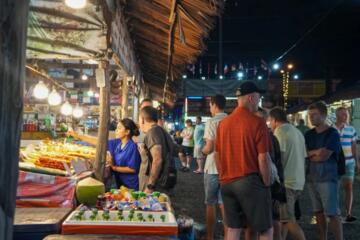
For example, in international destinations like Thailand, street food vendors offer authentic and nutritious meals from $1 to $3 — a cost-effective option compared to hotel dining. According to a 2022 Nielsen report, 62% of travelers prefer cooking their own meals at least some of the time to save money and eat healthier.
Main Problems When Eating on the Go
Relying on Convenience Foods
Many travelers default to fast food or pre-packaged snacks due to time constraints or unfamiliarity with local options. This often leads to excessive consumption of calories, sodium, and unhealthy fats.
Overpaying for Tourist Traps
Restaurants near major attractions can be overpriced and offer limited healthy choices. Budget travelers quickly drain their funds and compromise nutrition.
Ignoring Local Markets
Skipping fresh markets means missing out on affordable, fresh produce and local staples, which can be cheaper and more nutritious than packaged alternatives.
Failing to address these pain points results in poor energy levels, gastrointestinal issues, and financial strain, undermining the travel experience.
Solutions and Recommendations
Plan and Pack Smart Snacks
Bringing portable, nutrient-dense snacks like nuts, dried fruits, or granola bars (brands like KIND or RXBAR) helps avoid impulse fast-food purchases. Packing snacks also ensures steady energy—great for long transit days.
Use Local Grocery Stores and Markets
Shopping for fresh vegetables, fruits, bread, and proteins at farmer’s markets or grocery stores is often 30-50% cheaper than eating out. Apps like "HappyCow" can locate markets and affordable health food shops worldwide.
Opt for Communal Kitchens in Hostels or Rentals
Accommodations featuring kitchens allow travelers to prepare their own meals. Cooking from scratch can cut food expenses by up to 70%, according to Hostelworld surveys, and lets you experiment with local ingredients.
Prioritize Street Food with Good Hygiene
Research reputable street vendors using platforms like TripAdvisor and local blogs. In Mexico City, for example, popular street stalls serve nutritious tacos and fresh juice for under $2 each.
Use Meal-Delivery Apps Strategically
Apps like Uber Eats or Deliveroo sometimes offer discounts or budget meal options. Combine these with coupon sites or promos to save money without sacrificing convenience.
Drink Water Smartly
Instead of buying sugary drinks or bottled water repeatedly, use a refillable water bottle with a built-in filter (e.g., Grayl or LifeStraw) to stay hydrated and cut recurring costs.
Case Studies / Mini-Case Examples
Case Study 1: Backpacker in Southeast Asia
A backpacker traveling through Vietnam prioritized local markets and street food stalls recommended by locals and apps like HappyCow. By buying fresh herbs, rice, and vegetables to cook simple meals in hostel kitchens and augmenting with street dishes costing $1–2, they reduced daily food expenses from $20 to around $7, while improving diet variety.
Case Study 2: Business Traveler in Europe
A business traveler in Berlin used meal delivery apps combined with pre-packed salads from grocery stores like Lidl. This combination allowed for nutritious meals under €10 during busy days. They avoided costly hotel restaurants, saving an average of €15 per meal, and maintained energy levels for better performance in meetings.
Budget Eating Checklist
| Tip | Action | Estimated Savings | Tools/Apps |
|---|---|---|---|
| Pack snacks | Carry nuts, bars for travel days | Up to $5 per day | KIND, RXBAR |
| Shop local markets | Buy fresh produce & staples | 30-50% cheaper than restaurants | HappyCow, TripAdvisor |
| Cook meals | Use hostel/kitchen facilities | Save up to 70% on food costs | Hostelworld, Airbnb |
| Eat street food | Choose hygienic vendors | Up to 80% cheaper than sit-down meals | TripAdvisor, Yelp |
| Use meal apps | Order discounted meals | Save 10-20% with promos | Uber Eats, Deliveroo |
| Drink filtered water | Use reusable water bottles | Reduce $2-$5 daily bottled water expense | Grayl, LifeStraw |
Common Mistakes (and How to Avoid Them)
Skipping Meal Planning
A common error is not anticipating meal needs, leading to costly or unhealthy choices. Planning meals with simple recipes and snack prep can prevent this.
Ignoring Local Food Culture
Bypassing local markets and dishes misses cost-saving opportunities and authentic experiences. Research local food scenes in advance to make informed choices.
Over-relying on Expensive Tourist Restaurants
These are convenient but costly. Use apps and locals' advice to find budget-friendly eateries with better quality.
Poor Hydration Choices
Spending heavily on bottled drinks adds up. Invest in a quality refillable water bottle with filtration for healthy hydration on a budget.
FAQ
How can I find affordable but healthy food while traveling?
Look for local markets, street vendors with good hygiene reviews, and grocery stores where you can buy fresh ingredients to prepare your meals.
Is cooking in hostels really worth it?
Yes, cooking your own meals can reduce food costs by up to 70% and gives you control over ingredient quality and nutrition.
What are some budget-friendly healthy snacks for travel?
Nuts, dried fruits, whole-grain bars like KIND or RXBAR, and fresh fruits bought locally are nutritious and portable snack options.
How do I avoid foodborne illness when eating street food?
Choose vendors with high turnover, visible cooking, and positive reviews from other travelers. Avoid raw or undercooked foods.
Can meal delivery apps help save money?
Yes, especially when combined with discounts and promos, these apps can offer affordable, nutritious meal options during busy travel days.
Author's Insight / Expert Opinion
From my years of travel experience, I’ve learned that blending local market trips with selective street food indulgence strikes the best balance between health and budget. Using communal kitchen facilities whenever possible not only saves money but also enriches your experience by letting you explore local ingredients hands-on. I recommend investing in a reliable reusable water bottle and snack supply to avoid costly impulse purchases. My practical advice: do a little homework before you go and embrace cooking—it will pay off in tangible expense savings and energy.
Summary
Eating well while traveling on a budget requires strategic planning, leveraging local food sources, and utilizing technology. By packing snacks, shopping markets, cooking meals, and choosing street food wisely, travelers can maintain nutrition without overspending. Use tools like HappyCow and meal delivery apps, and always prioritize hydration with reusable bottles. Start small with these actionable tips to enhance your travel nutrition and save money simultaneously.