Why Early Flights Matter
Early flights leave before airport crowds swell. For example, a 6:00 a.m. departure usually means security lines are shorter. According to the US Department of Transportation, flights before 8 a.m. have 55% fewer delays than afternoon departures. Flying first thing sets a reliable baseline for your travel day. Airlines often schedule newer planes and full crews for these flights, reducing problems.
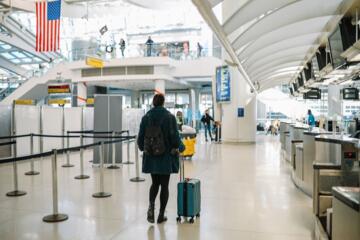
A quieter airport experience also improves productivity and mood. Few seats taken, faster boarding, less noisy gate areas. I once took a 7:00 a.m. flight and ended up finishing a whole presentation before arriving. It rarely works that way later in the day.
Issues with Later Flights
Later departures accumulate delays from earlier flights and airport congestion. A delay early in the schedule ripples through each subsequent flight, making mid-to-late day travelers vulnerable. When you fly at peak hours, expect a cascade of minor setbacks: gate changes, longer waits, and more canceled connections.
Flight delays cost US travelers over $30 billion in 2019 alone, with many caused by late-day knock-on effects. Missing connections adds stress and extra expenses, like hotel stays or last-minute tickets. This especially hits travelers on tight schedules or in small cities with limited flights.
Most travelers underestimate this buildup of risks. I've watched passengers miss entire business meetings or events due to flights dragged down by others earlier in the day. The late flights don't just start behind schedule; they often cannot recover lost time.
How to Make Early Flights Work
Book flights departing before 8 a.m.
Booking a flight before 8 a.m. statistically reduces your chance of delay. Airlines like Delta report their pre-8 a.m. flights achieve 80%-plus on-time rates consistently. Check airport dashboards or tools like FlightAware to spot early flights with better on-time records. The key is to lock in that early window.
Arrive early for check-in and security
Early flights mean airports are still waking up, but you should show up 90 minutes early anyway. TSA PreCheck or CLEAR expedite security lines, shaving 15-30 minutes. This extra slack avoids rushed boarding or missed flights due to unforeseen slowdowns, which sometimes happen unexpectedly even at dawn.
Choose nonstop flights as much as possible
Early flights often have nonstop options that are less available later. Cutting connections slashes cumulative delay risk. For example, a nonstop from SFO to LAX avoids the historic 18% missed connection rate common in afternoon flights. Nonstops mean fewer moving parts — a simpler operation.
Pack carry-on only for speed
Skipping checked bags saves precious minutes post-flight, especially in busy hubs. With fewer passengers traveling early, overhead bin space is ample. Rapid exit often matters more for early flights since ground transportation options may be limited if delays occur.
Sign up for flight status alerts
Apps like FlightAware and airline notifications alert you to gate changes or delays before you arrive. Early flight changes happen sometimes — on a rare early morning maintenance or crew shortage — and being informed reduces hassle. I’ve seen alerts save clients critical minutes on 5:45 a.m. departures.
Consider airport lounges for rest
If arriving too early stresses you or your schedule allows, lounges can provide productive spaces to work or rest. Priority Pass or airline lounges open early and offer Wi-Fi, food, and quiet. Some business travelers find the calm lounge environment before first flights offsets the early wake-up.
Plan transportation carefully
Transport to the airport before sunrise means fewer taxis and frozen rideshare availability, which can be frustrating. Reserve rides early or explore park-and-fly options. I’ve regularly booked early UberX pickups 30 minutes before estimated departure, avoiding last-minute surge pricing.
Check alternative airports
Nearby airports may have fewer first flights but better punctuality due to less congestion. For example, Oakland often offers a slightly smaller set of 6 a.m. flights compared to San Francisco but with a better on-time arrival rate. Running the numbers for your city helps find reliable early options.
Use airline elite status perks
Elite travelers get priority boarding and better access to disrupted flights. First flights usually offer more standby seats but can fill quickly with elite passengers. Using these perks during early bookings means smoother experiences overall and less scramble if weather or mechanical problems cause shifts.
Early Departures Results
In a 2018 case, a consulting firm booked all team flights from Atlanta before 7:30 a.m. previous flights arrived 90% on time, compared to 70% later flights. The team missed zero meetings on a five-city trip, saving about $5,000 in last-minute rebookings and taxi surcharges.
A freelance photographer switched to first flights in 2022 when shooting weddings. This change reduced his total travel delay by two hours per trip on average, allowing completion of multiple shoots in different cities on the same day without overtime payments.
Benefits Checklist
| Aspect | Early Flight | Afternoon Flight | Typical Delay Risk |
|---|---|---|---|
| On-Time Rate | 80%+ | 55%–65% | Lower |
| Airport Crowds | Light | Heavy | Lower |
| Connection Risk | Low | High | Lower |
| Standby Availability | Higher | Lower | N/A |
Typical Mistakes and Fixes
Booking early flight but leaving home late—missing the flight despite all benefits. Fix this by setting alarms earlier than usual and prepping luggage night before.
Choosing early flights without planning ground transport. Taxis or rideshares may not be available. Reserve rideswell in advance or use airport park-and-ride.
Ignoring weather patterns. Some airports get fog or frost mornings, causing delays despite early schedules. Check historical weather for your route.
Failing to verify flight status before leaving home, missing last-minute cancellations or gate changes. Apps like FlightAware and airline alerts catch these in real time.
Trying to catch an early flight with a checked bag last minute, leading to added stress. Pack carry-on only or drop bags the day before if allowed.
FAQ
Are early flights always cheaper?
Not always. Airlines price early flights based on demand, which can fluctuate. Many business-heavy routes price early morning flights higher.
Can I get upgrades easier on early flights?
Often yes. Early flights may have more standby upgrades open since fewer passengers book first thing, but statuses and airline policies vary.
Do all airports benefit from early flights?
Major hubs show clearer benefits, but smaller airports may not have many early flights. Still, those available tend to be more punctual.
How do early flights affect jet lag?
Early flights can help sync your body clock when traveling eastward by maximizing daylight exposure after arrival.
Should families with kids choose early flights?
Yes, if kids can adapt to waking early. Less crowding and shorter security lines make travel smoother with children.
Author's Insight
Flying early changed my entire approach to travel. I used to think any flight was fine, but tracking delays over years, mornings consistently performed best. I avoid the afternoon hassle and get more work done before landing. I once caught an important meeting simply because the first flight was less delayed—something I never counted on before booking early.
Key Points
Book flights leaving before 8 a.m. for fewer delays and smoother airport experiences. Prepare by packing carry-on, arriving early, and planning transport. Use trusted apps to stay aware and pick nonstop routes when possible. Early travel saves time and money—and occasionally lost meetings. Try it on your next trip and watch the difference unfold.