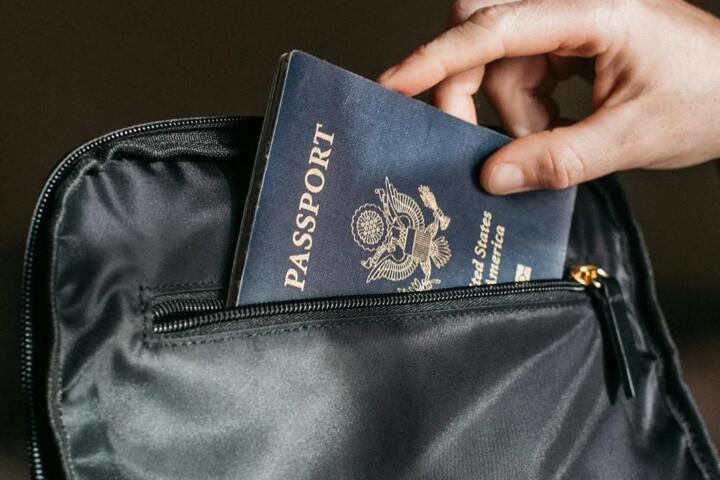
Preparing to Fly
Booking a flight is only half the trip; the other half is prepping the right papers. Below your passport, boarding pass, or visa lies a tangle of documents that must be ready before you arrive at the airport. For example, the TSA in the US mandates a government-issued photo ID for boarding, like a driver’s license or passport scanning smoothly beforehand. Approximately 1.2 billion air passengers traveled worldwide in 2019, yet thousands hit delays weekly due to missing paperwork.
Taking a flight from California to New York means a driver’s license often suffices. Flying to Canada demands your passport plus an Electronic Travel Authorization (eTA) if eligible. Business travelers switching visas mid-trip need a work permit alongside usual identification. The nuances can get technical quickly, especially when layovers cross multiple countries.
Failing to get all these documents in order puts your travel plans at immediate risk.
Common Document Pitfalls
Travelers overlook expiration dates on IDs or passports. For instance, many forget some countries require passports valid six months beyond the arrival date. Airlines enforce these rules to avoid penalties. Worse, boarding can get denied without any refund. That happens more often than one would think: the US Department of Transportation cites over 800,000 denied boardings annually, where paperwork issues play a big part.
Another problem lies in assuming digital copies replace originals. Some airlines, especially low-cost carriers like Ryanair, demand printed boarding passes or fail the traveler outright. Similarly, mismatched names—such as slight spelling variations between a ticket and passport—trigger intense scrutiny. Customs agents scrutinize visas and travel authorizations; invalid or missing visas lead to immediate deportation or fines.
Even frequent flyers trip over vaccine certificates or transit visas. In the COVID era, these layers thickened. Certain destinations require a negative PCR COVID test done within 72 hours before departure, adding a new paperwork layer. Many travelers miss timing or mix test guidelines. That’s costly, with fees sometimes over $200 to rebook after being denied boarding.
Document Prep by Category
Passport and ID checks
A valid passport stands at the center—mandatory for international flights, recommended always for domestic flights in some countries like the US due to enhanced security. Check your passport expiration date at least 90 days before the trip. The Schengen Area in Europe requires 3 months validity post-trip. For instance, a June 2024 return means your passport must last to September 2024. Replace documents early; Passport Canada states 4 weeks average for renewals, expedited options exist at premium prices.
Visas and travel authorizations
Different countries uphold distinct visa rules. Some travelers incorrectly assume a tourist visa allows entry to every region of that country; it often does not. Business travelers must double-check if a specific work or transit visa applies. Services like iVisa and VisaHQ simplify applications online for over 70 countries but never blindly trust automatic systems without manual review.
Boarding passes and tickets
Paperless boarding is common; mobile boarding passes via airline apps like Delta Fly or United Airlines are accepted worldwide. Yet, certain airports and airlines, particularly regional carriers or those in developing nations, insist on printed boarding passes. Print at home or airport kiosks, and always bring a backup on your phone or in a cloud folder - Google Drive syncs perfectly for this.
Health documents
In addition to passports and visas, proof of vaccinations or negative COVID tests are prevailing demands, shifting by travel advisories. Countries like Japan require proof of COVID vaccination with certificates matching the WHO standard app format, or valid PCR tests no older than 72 hours pre-boarding. Travelers relying solely on emails or screenshots face delays, so passport-style vaccine cards or official apps like NY State Excelsior Touch work best.
Customs declarations
Some countries ask travelers to fill out customs forms before arrival. The US Customs and Border Protection uses the Mobile Passport Control app to reduce lines, although paper forms still exist for non-app users. These forms detail your belongings and declarations. Inaccurate forms lead to fines and baggage delays, which is a hassle nobody needs.
Travel insurance and emergency contacts
Less obvious but useful: travel insurance documents. Some visa applications even require proof of insurance with specific coverage levels. Printed insurance policies or digital certificates from companies like World Nomads often save hours of frustration after lost luggage or medical emergencies. Store copies offline for when internet access fails.
Credit cards and payment proof
International travel blossoms when you carry credit cards with global chip-and-PIN technology like Visa or Mastercard widely accepted. Bringing proof of pre-paid bookings or refund receipts help when authorities question your financial stability or accommodations on arrival, especially under stricter immigration checks.
Special permissions for minors
Traveling with children demands additional documents: letters of consent from parents or legal guardians, copies of custody papers when applicable. Airlines such as British Airways or Emirates may refuse boarding to minors without proper authorization to prevent child trafficking risks.
Additional local permits
Countries like India require an e-visa portal; some African nations require vaccination cards besides visas. Research based on every stopover or destination is warranted long before departure to avoid scrambling at the gate.
Real examples of document mix-ups
A conference attendee flying from Germany to India found out her visa was approved last minute and on a wrong category, making her ineligible to enter. She booked a new flight after 36 hours to fix the type, adding $500 in rebooking fees. She avoided being stranded thanks to India's e-visa interactive help desk active 24/7.
Another case involved a family flying from the US to Brazil; they assumed their child’s school ID was enough ID for internal flights post-arrival. Brazilian federal police held them for hours until birth certificates and passports were produced. They learned regional laws differ sharply from U.S. customs.
Document Readiness Checklist
| Document | When Needed | Format | Tips |
|---|---|---|---|
| Passport | International flights | Original | Check expiry 6 months ahead |
| Visa/eTA | Country-specific | Print or mobile | Confirm type matches trip |
| Boarding Pass | All flights | Digital + printed | Keep backups offline |
| Health Certificate | Pandemic / destination rules | Original or app | Use official apps |
| Customs Form | Some countries | Digital or paper | Fill before arrival |
| Insurance | Highly suggested | Policy document | Keep both digital & paper |
| Consent for Minors | Children traveling alone | Signed originals | Check airline policy |
Where Travelers Slip Up
Rushing to the airport without all documents ready creates chaos. Some carry only tickets but no matching photo ID. Others forget to check visa validity, overlapping trips from multiple sources confuse passengers, and fake digital test results pop up, delaying dozens at security.
Never trust emailed boarding passes as your sole document. They can vanish in spam folders. Arriving 30 minutes early to the gate does not cut it if you must print missing paperwork or resolve identification mismatches.
In some instances, travelers neglect digital backups, only to find their phones dead or data inaccessible in transit — a common, frustrating snag air travelers endure.
Missing vaccine certificates or forgetting extra paperwork for minors can strand families indefinitely at border controls, or force unplanned cancellations.
FAQ
What ID do I need for domestic flights?
Most countries accept a government-issued photo ID such as a driver’s license. Some require passports for certain regions, like US flights post-Real ID enforcement deadlines.
Can I use a digital boarding pass on all airlines?
Not all airlines or airports accept mobile boarding passes. Check your carrier’s website. Print a spare copy for backup.
How far in advance should I check my passport?
Verify your passport validity at least 3 months before travel. Many countries require a minimum of 6 months remaining validity.
Are COVID test results always required?
Requirements vary by destination and often change rapidly. Verify with official travel advisories 48-72 hours before departure.
Do children need special travel documents?
Yes. Minors generally need parental consent forms and may require additional ID or custody papers depending on airline and jurisdiction.
Author's Insight
I've seen too many people lose hours or thousands in rebooking fees over simple document mistakes like expired passports or missing paper visas. Early checks save stress and money. Use airline apps but also print key documents as a backup. Double and triple-check spellings and dates. Airport staff rarely have patience for paper errors, and that old policy about ""no exceptions"" still holds. Planning well beats last-minute scrambles every time.
Key Takeaways
Prepare all your travel documents well in advance: passport, visas, boarding passes, health certificates, and any consent forms needed. Confirm expiry dates and acceptability of digital versions. Keep printed copies and backups offline. Clear customs and airline rules vary but thorough research cuts delays and costs. Your peace and your plane seat depend on this simple habit.