Eating Well Away
Traveling usually disrupts mealtimes and food quality. Fast food chains dominate many routes, and convenience often means costly, unhealthy options. In the US, drivers spend roughly 50% more per meal on the road than at home, according to a 2022 travel survey by Statista. For example, roadside diners might charge $12 for a burger combo that costs half with groceries. But eating well is possible with strategy and planning.
Consider a weeklong road trip: skipping expensive chain stops with a cooler stocked with simple meals pays off. Packing fresh fruits, nuts, and lean sandwiches cuts costs by 40% or more compared to dining out daily. Eating well on the road starts with knowing your options and preparing smart.
Food Fails That Cost
Travelers often think quick meals mean fast food or expensive restaurants. This mindset quickly drains wallets and hits health. Dependence on sugary snacks or greasy meals lowers energy and focus, critical for long drives or work engagements. Many skip hydration, opting for sodas that add calories without nutrition.
Missing access to a kitchen triggers impulse buys of convenience foods. Even simple items often sell at inflated prices in vending machines and gas stations. The consequence? Overspending and poor nutrition. A business traveler that eats out three meals daily can spend $60–$100 a day easily, often on low-quality choices.
Missing variety or balance in meals leads to fatigue and cravings, increasing snack consumption. If you rely solely on restaurants, you lose control over portions and ingredient quality—effects magnified on repeat visits along your route.
Practical Steps to Save
Buy Groceries Early
Shopping at grocery stores near your start point beats convenience stops every time. Fresh produce, deli meats, and yogurt from stores like Trader Joe’s or Kroger retails at half or less than roadside prices. Look for stores with good refrigerated sections and grab whole fruit instead of pre-cut for cost savings.
Use a Cooler Smartly
A high-quality cooler, like those made by Yeti or Coleman, keeps perishables safe for 8+ hours with ice packs. This means you can shop once, plan multiple meals, and avoid daily expensive stops. Packing reusable containers for sandwiches, salads, and snacks reduces waste too.
Cook with Minimal Gear
Compact gear such as an electric travel cooker or portable stove extends options beyond cold meals. Scrambled eggs, boiled pasta, or instant oatmeal take minutes, cost pennies, and fill you up. Costs for fuel and ingredients rarely exceed $3 per meal but deliver fresh, satisfying food after long drives.
Pick Balanced Snacks
Snacks like mixed nuts, string cheese, or dried fruit bridge hunger without adding empty calories and overspending. Avoid relying on chips or candy. Packing snacks buying in bulk costs about $0.20–$0.50 per serving versus $3–$5 for convenience store options.
Use Apps for Dining Deals
Apps like Too Good To Go or Restaurant.com offer discounted eats near you that combine quality with savings. This strategy works well for one meal a day when cooking isn't possible. You can score meals up to 60% off. Bonus: many local diners remain hidden gems with hearty meals.
Hydrate Smartly
Carry a refillable water bottle. Buying bottled water repeatedly from gas stations adds up, but tap water or filtered options cost pennies. Staying hydrated lowers unnecessary snacking from false hunger signals and reduces caffeine dependence and its crash.
Plan Leftovers
Prepare extra portions for next meals, reducing both waste and food costs. For instance, grilled chicken cooked one evening can feed lunch the next day. Reheat safely in a microwave or stove.
Choose Local Markets
Farmers’ markets or roadside stands often offer seasonal produce at lower prices than highways stores and better flavors, sometimes organic. Early mornings yield the freshest picks. Bringing a fabric bag helps haul items easily.
Mind Portion Control
Smaller servings curb excess spending and waste. Restaurants tend to overserve, pushing you to eat more than needed. Pack your plates deliberately to balance satisfaction without splurging.
Real-World Examples
A consulting firm sent teams to several cities for multi-day projects but noticed spending on meals was triple budgeted—increased fatigue followed. They shifted to reimbursing a $15 daily grocery allowance rather than expense meals. Travelers used grocery chains like Whole Foods and Walmart to stock easy meals, saving the company $23,000 in six months.
Another solo traveler on a cross-country trip tracked expenses by meal type over 45 days. Buying fresh ingredients at large chains, prepping sandwiches and salads, and using apps for one sit-down meal dropped food costs from $600 to $320. Energy levels improved, which was a bonus.
Food Choices Overview
| Method | Cost/Meal | Prep Time | Flexibility |
|---|---|---|---|
| Groceries + Cooler | $3–$6 | 10–20 min | High |
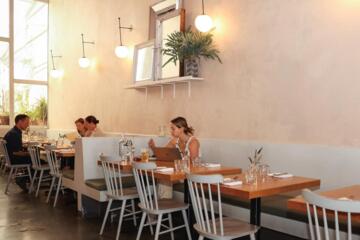
| Restaurant Deals | $8–$12 | 15–45 min | Medium |
| Fast Food | $6–$10 | 5–15 min | Low |
| Convenience Snacks | $3–$7 | 0 min | Very Low |
Mistakes to Bypass
People often rely on a small number of food stops that charge premium prices. Avoid restaurants on highways, where meals can be double local costs. This syndrome—""food tunnel vision""—skews budgets and reduces meal quality.
Another misstep: buying perishable groceries without a cooler or fridge, which leads to waste. Spoiled food means throwing away money and hunger pushing poor impulse buys. Buy only stable items if you don't pack a cooler—nuts, dried fruit, whole grain bars.
Falling for ""value"" deals like super-sized combos may save cents per ounce but lead to overeating and slower recovery on the road. Learning your appetite and packing right sizes helps.
FAQ
Can I eat healthy without cooking?
Yes. Buying ready-to-eat items like nuts, prewashed veggies, lean deli meat, and yogurt requires no cooking, can be refrigerated, and lasts days in a cooler.
What snacks save money and keep energy?
Mixed nuts, hard-boiled eggs, cheese sticks, and fresh fruit meet energy and budget needs better than chips or candy bars.
How do I keep food fresh on long drives?
A durable cooler with ice packs stores perishables safely 6–12 hours. Regularly replace ice and keep it closed.
Are local markets cost-effective?
Usually yes. Seasonal produce from farmers’ markets often costs less and tastes better than convenience store fruits.
Which apps help find cheap meals?
Try Restaurant.com for coupon deals and Too Good To Go to buy discounted surplus food. Google Maps also highlights affordable diners.
Author's Insight
I've logged thousands of miles eating on the move for work and vacations. Investing in a good cooler plus a lightweight crockpot transformed my trips. One thing many overlook: water quality directly influences food enjoyment and energy—carry a decent filter. Budget tracking apps help spot overspend when convenience tempts too much.
Summary
Eating well on the road comes down to buying smart, prepping meals carefully, and avoiding costly convenience traps. Carry a cooler, shop early, and include healthy snacks. Use technology to find deals or skip cooking occasionally. With these steps, your body stays fueled without your bank account draining.