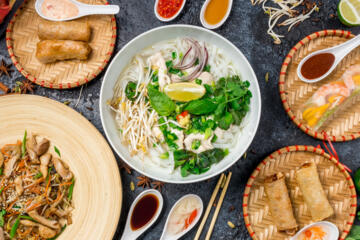
Street Food vs Restaurant
Understanding the Concepts
Street food refers to ready-to-eat meals sold by vendors on streets, markets, or public places, often from carts or stalls. Restaurants, however, are formal establishments with fixed locations, licensed kitchens, and regulated health standards. For example, New York City's street carts provide quick snacks like hot dogs and pretzels, while restaurants like Shake Shack offer a controlled environment and health inspections.
Safety and Hygiene Standards
According to the World Health Organization (WHO), foodborne illnesses affect about 600 million people annually worldwide, largely due to improper food handling. Restaurants typically follow government-issued health codes, such as the U.S. FDA Food Code, ensuring regular sanitation, temperature control, and pest management. Street vendors may or may not comply consistently; in some cities, like Bangkok, government initiatives regularly certify street stalls, improving safety.
Main Food Safety Problems
Common Issues in Street Food
Street food often faces challenges like inadequate refrigeration, exposure to pollution, and insufficient handwashing facilities. A 2018 study in India found up to 30% of street vendors lacked basic hygiene knowledge, leading to contamination risks.
Problems in Restaurants
Restaurants can also face food safety issues, such as cross-contamination between raw and cooked foods, improper food storage, or employee illness. Notably, a 2019 CDC report linked multiple foodborne outbreaks to takeaway and dine-in restaurants due to lapses in hygiene protocols.
Why It Matters
Unsafe food can cause illnesses ranging from mild gastroenteritis to severe conditions like liver failure or even death. The economic cost is significant; in the U.S., foodborne diseases lead to approximately $15.6 billion in healthcare and productivity losses annually.
Safety Recommendations
Street Food Safety Enhancements
What to do: Opt for vendors with visible certifications, clean surroundings, and fresh ingredients. Verify if they use sealed containers and keep hot food above 60°C (140°F) and cold food below 5°C (41°F).
Why it works: Maintaining safe temperatures inhibits bacterial growth, drastically reducing illness risks.
In practice: Cities like Singapore have "Hawker Centers" where street food stalls meet strict sanitary standards, a model praised internationally.
Tools and methods: Use inspection apps like "Food Safety America" or local government registries to check vendor ratings before buying.
Restaurant Hygiene Strategies
What to do: Choose restaurants with high health inspection scores publicly available online. Check for employee hygiene practices like glove use and proper handwashing.
Why it works: Transparent inspection data promotes compliance and customer confidence.
In practice: Chains like Chipotle have overhauled their food safety controls after outbreaks, implementing rigorous supplier audits and employee training programs, reducing incidents by 40% as per company reports.
Tools and methods: Ask about allergen management and kitchen sanitation practices when dining out or ordering online.
Case Studies
Case Study 1: Food Safety Upgrade in Bangkok Street Food
Company: Bangkok Metropolitan Authority
Problem: High rates of foodborne illness traced to unregulated street vendors.
What was done: Implementation of the "Clean Food Good Taste" program, including vendor training, mandatory certification, and regular inspections.
Result: A 25% reduction in reported foodborne illness cases in two years, with over 10,000 vendors certified.
Case Study 2: Chipotle Mexican Grill’s Food Safety Reforms
Problem: Multiple norovirus and E.coli outbreaks in 2015 led to loss of consumer trust.
What was done: Overhaul of supplier vetting, introduction of DNA-based testing for ingredients, and enhanced employee hygiene training.
Result: By 2019, foodborne illness reports fell by 40%, and sales recovered with new safety certifications displayed in restaurants.
Comparison Table
| Aspect | Street Food | Restaurant |
|---|---|---|
| Sanitation | Variable levels | Regulated by law |
| Quality Control | Informal, individual | Systematic audits |
| Price | Budget-friendly | Reflects overhead |
| Health Risks | Potentially higher | Generally lower |
| Accessibility | Fast and mobile | Fixed hours/location |
Common Mistakes
Ignoring Vendor Credentials
Many consumers buy from unknown street vendors without checking hygiene credibility. Always look for certifications or cleanliness markers.
Overlooking Temperature Control
Eating cold dishes left out or hot food cooled improperly increases risk. Confirm how food is stored before purchase.
Failing to Research Restaurant Ratings
Ignoring online health inspection reports can lead to dining in unsafe places. Use platforms like Yelp or government health department websites.
Disregarding Food Allergies
Not informing the vendor or restaurant about allergies can cause severe reactions. Communication is key.
FAQ
Is street food generally less safe than restaurant food?
Street food can be less safe due to inconsistent hygiene standards, but many regulated vendors maintain high safety levels, especially in regions with strong oversight.
How can I identify a safe street food vendor?
Look for proper food storage, clean surroundings, vendor certifications, and observe if food is cooked fresh and served hot or cold as appropriate.
Are chain restaurants safer than independent ones?
Chains often have standardized safety protocols and regular audits, but independent restaurants with good health scores can be equally safe.
Can I trust online reviews for food safety?
Online reviews help gauge customer satisfaction but should be supplemented with official health inspection scores for safety assurance.
What precautions can I take when eating street food abroad?
Research local street food safety initiatives, choose busy stalls with fresh-cooked food, drink bottled water, and avoid raw or undercooked items.
Author's Insight
As a food safety consultant with over a decade of experience, I've seen firsthand how both street food and restaurant environments can provide safe, delicious meals when proper protocols are followed. Travelers often miss that many cities have strict regulations for street food that parallel restaurants. My advice is to combine local knowledge with visible hygiene practices — don't assume price equals safety. When in doubt, use available inspection apps or government resources to verify vendors. Ultimately, enjoy food adventures wisely and safely.
Summary
Both street food and restaurants present unique safety challenges and benefits. Informed choices rely on recognizing hygiene standards, temperature controls, and venue credibility rather than stereotypes. Utilize certifications, health inspection reports, and consumer tools before eating out. This proactive approach enhances your dining experience and minimizes the risk of foodborne illness. Whether craving authentic street flavors or a formal dining setting, safety and quality are achievable with the right knowledge and habits.